Pošaljite poruku
Ako ste zainteresovani za naše proizvode i želite da saznate više detalja, ostavite poruku ovde, odgovorićemo vam u najkraćem roku.

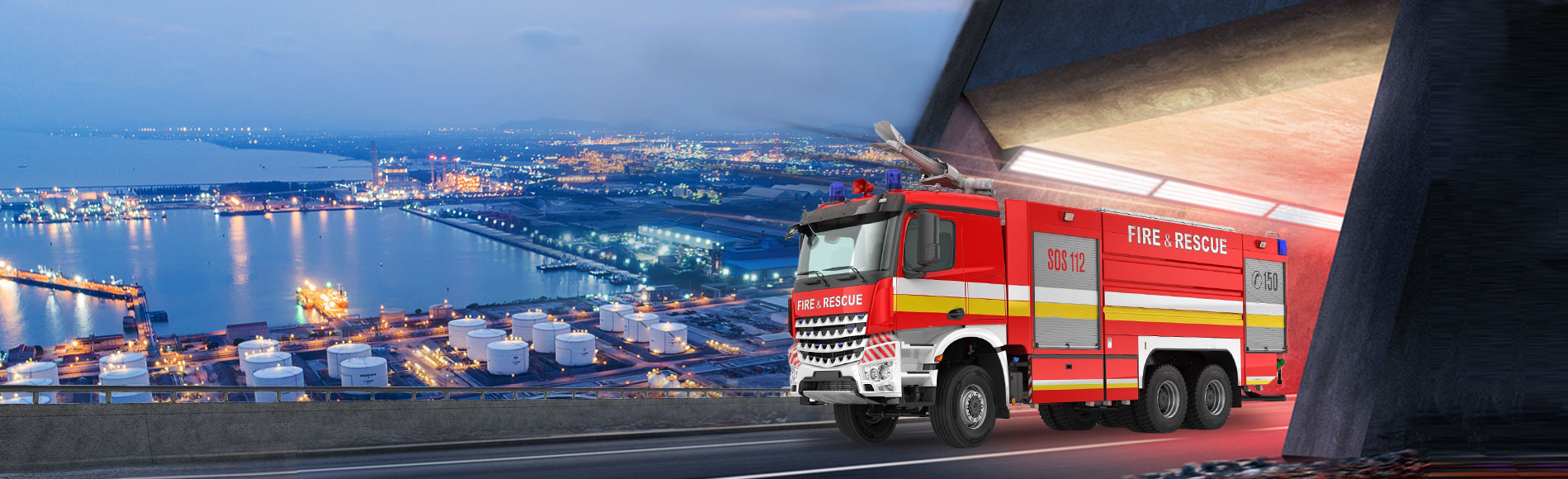
Пенасти ватрогасни камиони су неопходни за гашење пожара запаљивих течности на аеродромима, рафинеријама нафте, хемијским постројењима и објектима за складиштење горива. Као и сва специјализована опрема,пенасти ватрогасни камиони захтевају редовно одржавање како би били спремни за хитне случајеве.Овај чланак обухвата уобичајене кварове и практична решења.
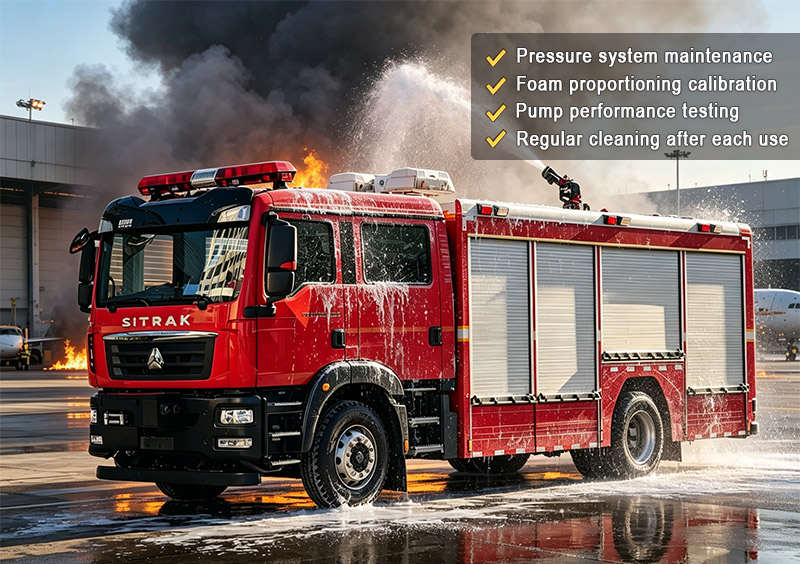
Пре разматрања кварова, неопходно је разумети врсте пене. Постоје три главне категорије:
| Врста пене | Примена |
|---|---|
| Пена класе A | Уобичајиви запаљиви материјали (дрво, папир, тканина) |
| Пена класе B | Запаљиве течности (бензин, уље, дизел) |
| AFFF (водена пена која формира филм) | Формира баријеру између горива и ваздуха, спречава поновно паљење |
Проблем: Недовољно испуштање пене или нестабилан притисак
Могући узроци:
Оштећена пумпа за притисак
Квар погонског система пумпе
Зачепљени цевоводи
Решења:
Редовно прегледајте пумпу и погонски систем
Очистите и одржавајте цевоводе
Поправите или замените оштећене компоненте
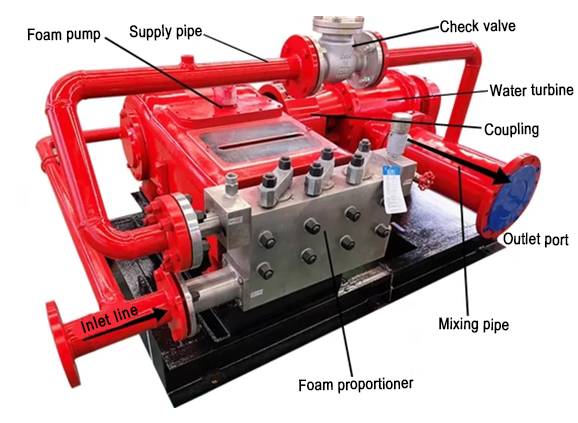
Проблем: Недовољна количина течности пене или систем не ради правилно
Могући узроци:
Квар пумпе за течност пене
Проблеми са резервоаром за пену
Зачепљени цевоводи за течност пене
Решења:
Проверите пумпу, резервоар и цевоводе
Уверите се да су сви пролази проходни
Очистите и замените оштећене компоненте
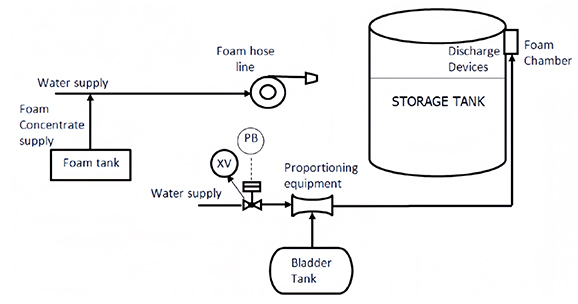 3. Кварови система управљања
Проблем: Немогућност прецизног управљања испуштањем пене и протоком воде
Могући узроци:
Квар струјног кола
Оштећена контролна табла
Квар сензора
Решења:
Проверити везе струјног кола
Заменити оштећену контролну таблу или сензоре
Извршити поновну калибрацију система
Проблем:Концентрација пене је превисока или прениска, што утиче на ефикасност гашења
Могући узроци:
Квар система за контролу концентрације
Оштећен дозатор
Неправилна подешавања дозатора
Решења:
Калибрисати систем за контролу концентрације
Прегледати и очистити дозатор
Обезбедити да је концентрација пене у одговарајућем опсегу
Проблем:Квар система напајања возила утиче на вожњу и рад
Могући узроци:
Квар мотора
Проблеми са мењачем
Квар електричног система
Решења:
Редовно прегледати мотор, мењач и електрични систем
Обезбедити нормалан рад
Поправити или благовремено заменити неисправне компоненте
Проблем:Генератор пене не производи пену или производи пену лошег квалитета
Могући узроци:
Улаз за ваздух је блокиран страним предметима
Мешавина пене не испуњава захтеве (истекао концентрат пене, неисправан однос мешања)
Решења:
Прегледати и уклонити блокаде са улаза за ваздух
Тестирати и одржавати дозатор
Заменити концентрат пене са истеклим роком трајања
Problem:Dozator je zarđao ili zaglavljen
Mogući uzroci:
Nije ispran čistom vodom nakon upotrebe
Dugotrajna korozija izazvana koncentratom pene
Rešenja:
Redovno uklanjati i održavati dozator
Temeljno isprati čistom vodom nakon svakog testa ili upotrebe
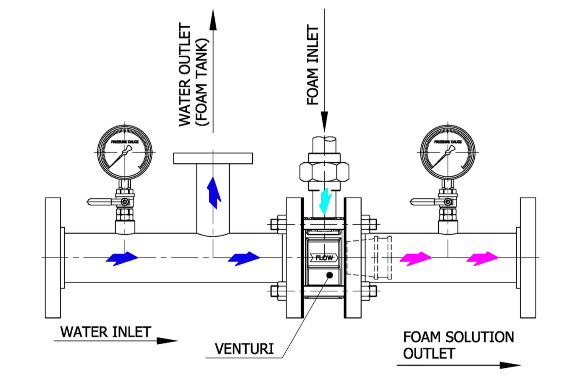
Problem:Nizak pritisak pumpe ili neuobičajena buka
Mogući uzroci:
Začepljeno sito ili filter
Curenje vazduha u usisnom vodu koje izaziva kavitaciju
Istrošene ili oštećene komponente pumpe
Rešenja:
Proveriti i očistiti sito i filter
Pregledati creva i spojeve zbog habanja ili oštećenja
Izvršiti rutinska ispitivanja pumpe u različitim uslovima
Problem:Neodgovarajući odnos pene i vode koji utiče na efikasnost gašenja
Mogući uzroci:
Nepravilna podešavanja kalibracije
Blokirana creva ili mlaznice
Neispravni ventili
Rešenja:
Proveriti i podesiti postavke kalibracije
Redovno čistiti creva i mlaznice
Pregledati sve ventile radi pravilnog rada
Obezbediti redovnu obuku za članove posade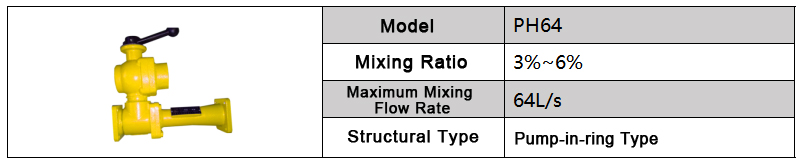
Problem:Smanjena efikasnost isporuke pene
Mogući uzroci:
Istrošena creva i priključci (manja curenja izazivaju pad pritiska)
Začepljene mlaznice koje utiču na obrazac prskanja
Nepravilna upotreba ili prekomerna upotreba sistema
Rešenja:
Redovno pregledajte creva i spojeve radi habanja
Čistite mlaznice sredstvima za čišćenje koja preporučuje proizvođač
Pridržavajte se smernica proizvođača za pravilnu upotrebu
Koristite odgovarajući tip pene za svaku primenu
Svrha:Proveriti integritet sistema pod pritiskom bez protoka pene
Koraci:
Izolacija sistema:Zatvorite sve ventile kako biste sprečili unakrsni protok između sistema pene i vode
Povećanje pritiska:Primijenite određeni pritisak na sistem pene koristeći manometar
Otkrivanje curenja:Vizuelno pregledajte sve komponente (ventile, spojeve, creva) radi kapanja ili curenja
Svrha:Obezbediti tačan odnos koncentrata pene i vode
Koraci:
Prikupljanje uzoraka:Pustite sistem u rad i prikupite uzorke pene sa različitih tačaka (npr. mlaznica)
Merenje odnosa:Koristite refraktometar za merenje procenta koncentrata pene
Podešavanje:Ako je odnos neispravan, podesite dozator i ponovite ispitivanje dok ne bude ispravno
 3. Ispitivanje ispuštanja pene
Svrha:Procena sposobnosti sistema da efikasno proizvodi i distribuira penu
Koraci:
Protok i obrazac mlaznice:Posmatrajte brzinu protoka i obrazac prskanja — treba da budu ujednačeni i efikasni
Površina pokrivanja:Izmerite površinu prekrivenu penom — uverite se da ispunjava projektne zahteve
Kvalitet pene:Procijenite stabilnost, konzistentnost i prijanjanje pene — loš kvalitet ukazuje na probleme
| Komponenta | Radnja održavanja | Učestalost |
|---|---|---|
| Pumpa | Проверите цедиљку, прегледајте да ли има цурења, спроведите тестове | Свакодневно/Недељно |
| Пропорционатор | Очистите након употребе, калибришите подешавања | Након сваке употребе |
| Црева и млазнице | Проверите истрошеност, очистите водом | Након сваке употребе |
| Резервоар за пену | Проверите ниво, прегледајте да ли има корозије | Недељно |
| Контролна табла | Проверите кола, тестирајте индикаторе | Недељно |
| Концентрат пене | Проверите рок трајања, тестирајте квалитет | Месечно |
Ватрогасна возила са пеном су сложена опрема са више међусобно повезаних система. Најчешћи кварови односе се на системе притиска, довод пене, пропорционисање и перформансе пумпе. Редовно превентивно одржавање — укључујући свакодневне провере, правилно чишћење након сваке употребе и рутинско тестирање — најефикаснији је начин да се избегну неочекивани кварови.
Разумевање правилне употребе различитих врста пене, праћење смерница произвођача и редовна обука посаде значајно ће продужити радни век ватрогасног возила са пеном и обезбедити да буде спремно за сваку ванредну ситуацију.


Можда ћете бити заинтересовани за следеће информације
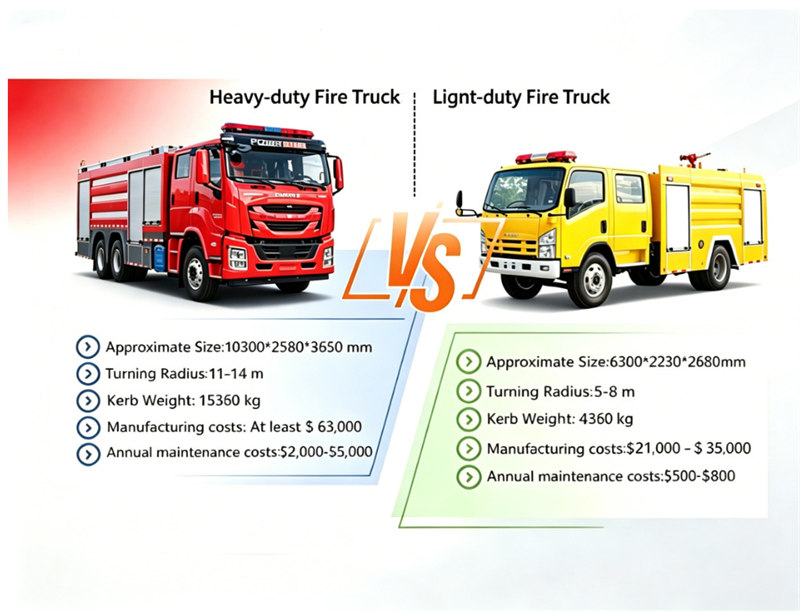
Vatrogasno spasilačko vozilo potrebe se drastično razlikuju između gradskih područja i ruralnih ili malih gradskih zajednica. Velike gradske vatrogasne službe oslanjaju se na teška vatrogasna vozila sa ogromnim rezervoarima za vodu, visokim lestvama za visoke zgrade i kompletnim industrijskim konfiguracijama za rešavanje požara u visokim zgradama, industrijskih požara i velikih vanrednih situacija. Međutim, za male gradove, ruralna mesta, seoske vatrogasne stanice i dobrovoljna vatrogasna društva, teška vatrogasna vozila često postaju više teret nego prednost. Zbog toga su laka vatrogasna vozila postala glavno i najpraktičnije rešenje za male gradske i ruralne vatrogasne službe širom sveta. Kombinujući kompaktne dimenzije, fleksibilnu pokretljivost, potpune osnovne spasilačke funkcije i niske ukupne troškove, savršeno odgovaraju svakodnevnim potrebama za spasavanje i prevenciju požara lokalnih vatrogasnih timova. Lako vatrogasno vozilo je kompaktno, lagano vozilo za hitne intervencije posebno dizajnirano za lokalne, prigradske i ruralne vatrogasne scenarije. I. Poređenje između teških i lakih vatrogasnih vozila: Za jasno sagledavanje razlike između teških i lakih vatrogasnih vozila, pripremili smo direktnu uporednu tabelu koja obuhvata ključne praktične pokazatelje. Veliki modeli prelaze 10 metara dužine sa radijusom okretanja od 11–14 m i masom praznog vozila od 15 tona, a za izradu koštaju najmanje 63.000 dolara, uz 2.000–5.000 dolara godišnjeg održavanja. Nasuprot tome, kompaktna laka vatrogasna vozila smanjuju dimenzije gotovo za polovinu, teže samo 4.360 kg, počinju od 21.000 dolara i održavaju godišnje troškove ispod 800 dolara, pružajući znatno bolju pokretljivost i ekonomičnost za ruralne i male gradske stanice. Ⅱ.Ključne prednosti lakih vatrogasnih vozila: 1.Lagana, ali nosiva konstrukcija. Ukupna bruto masa vozila ostaje ispod 8.000 kg čak i kada je potpuno natovareno, omogućavajući izuzetno brz odgovor u hitnim situacijama. 2.Dostupna je prilagodba pogona na sva četiri točka za savladavanje grubih i neravnih površina puteva uobičajenih u udaljenim područjima. 3.Potpuna funkcionalnost za gašenje požara je u potpunosti zadržana: a. Dvostruki nezavisni rezervoari za vodu i penu za gašenje požara. b. Kabina za posadu sa dva reda sedišta koja može da primi kompletan tim vatrogasaca za intervenciju. c. Kompletan standardni inventar alata za hitno spasavanje i gašenje požara. d. Opcioni dodaci uključuju sisteme za osvetljenje mesta događaja i opremu za vuču. 4.Sistem za preuzimanje snage (PTO) služi kao osnovni pogonski sistem za rad. Odlikuje se intuitivnim upravljanjem i jednostavnim održavanjem i zamenom komponenti. Izdržljive ključne komponente značajno smanjuju dugoročne troškove rada u hitnim situacijama za ruralne i opštinske vatrogasne službe. Ⅲ.Sledeći modeli lakih vatrogasnih vozila su najpopularniji: Model šasije HOWO 1880 Pogonski sistem Volan na desnoj/levoj strani, 4x2/4x4 može biti opcionalno Sna...
Детаљи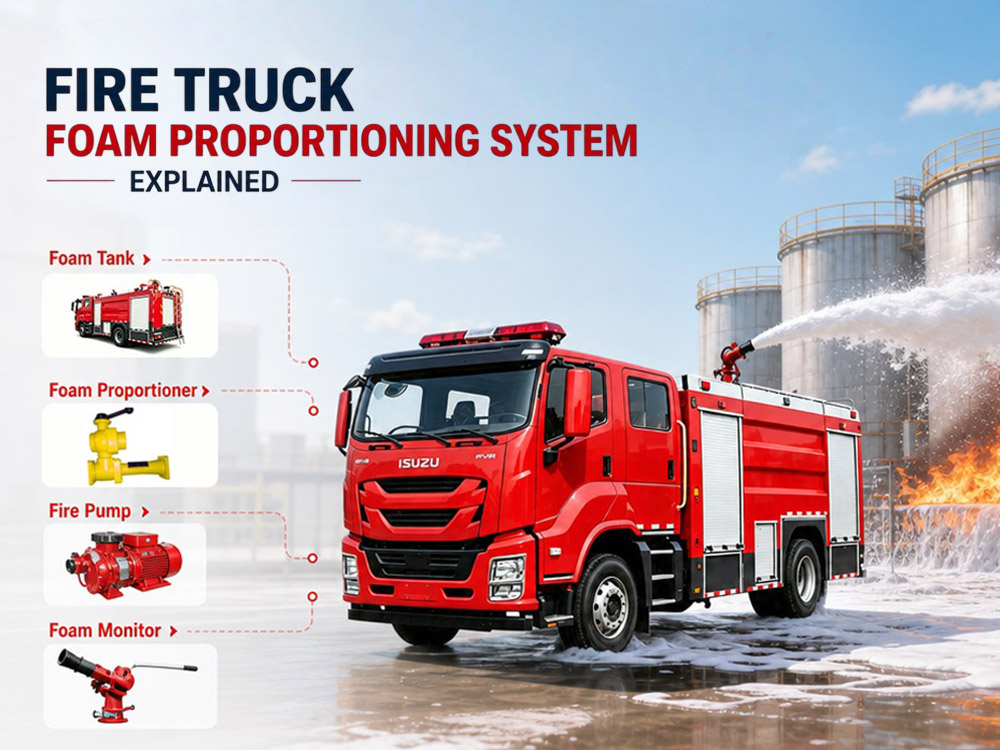
Систем пене ватрогасног возила меша воду са концентратом пене у прецизним односима (1%, 3% или 6%) како би се створило пенасто решење. Ово решење затим под притиском потискује ватрогасна пумпа и шири се ваздухом кроз млазнице за пену — то је основни принцип рада начина на који пенско ватрогасно возило меша пену и воду — што на крају производи стабилан слој пене који прекрива површину горива. Овај процес повећава ефикасност гашења пожара за више од 50%, уз смањење отпада концентрата пене за 30%. » I. Зашто је ватрогасном возилу потребан систем пене? У поређењу са коришћењем само воде, пена нуди три кључне предности: 1. Изолација кисеоника— Пена прекрива запаљену површину, формирајући густу физичку баријеру која спречава да кисеоник доспе до зоне сагоревања, чиме се гуши пожар. 2. Смањење температуре— Вода у пенастом раствору апсорбује велике количине топлоте приликом испаравања, брзо смањујући температуру подручја захваћеног пожаром. 3. Спречавање поновног паљења— Слој пене наставља да прекрива подручје пожара и након гашења, ефикасно изолујући кисеоник и запаљива испарења, значајно смањујући ризик од поновног паљења. » II. Основни принципи рада система пене 1. Систем за дозирање:Вода протиче кроз дозатор → ствара негативни притисак (систем негативног притиска) или користи пумпу за пену (систем позитивног притиска) → повлачи концентрат пене из резервоара за пену → меша се у унапред подешеном односу (1%, 3% или 6%) → пенасти раствор тече до пумпе. 2. Стварање притиска у пумпи:Пенасти раствор улази у центрифугалну пумпу → подиже се притисак на 0,8–1,2 MPa → испоручује се кроз цевоводе до излазних отвора или монитора за пену. 3. Ширење пене:Пенасти раствор под притиском пролази кроз млазницу за пену или уређај за аерацију → увлачи се ваздух → раствор се шири у готову пену → прекрива површину горива → прекида довод кисеоника и гаси пожар. Кључни концепт:Концентрат пене + вода не значе готова пена. Помешани пенасти раствор је и даље течност — мора се комбиновати са ваздухом кроз млазницу за пену да би постао права ватрогасна пена. Када раствор пене под високим притиском великом брзином пролази кроз млазницу, ствара локализовану зону негативног притиска која принудно увлачи ваздух. Ваздух и течност се сударају и снажно смичу унутар млазнице, тренутно се разбијајући у милионе ситних мехурића који се накупљају и формирају белу пену. » III. Како ватрогасно возило меша пену и воду? Процес мешања пене на ватрогасном возилу састоји се од четири главна корака, од довода воде до коначног стварања пене. Корак 1: Ватрогасна пумпа обезбеђује проток воде Након покретања ватрогасног возила, ватрогасна пумпа обезбеђује снагу за систем пене. Извори воде могу укључивати уграђени резервоар, ватрогасни хидрант, реке, језера или резервоаре. Ватрогасна пумпа је задужена за стварање притиска воде, обезбеђивање стабилног протока и потискивање воде у систем за дозирање пене. Корак 2: Концентрат пене улази у систем Ватрогасно возило је опремљено независним резервоаром за пену ...
Детаљи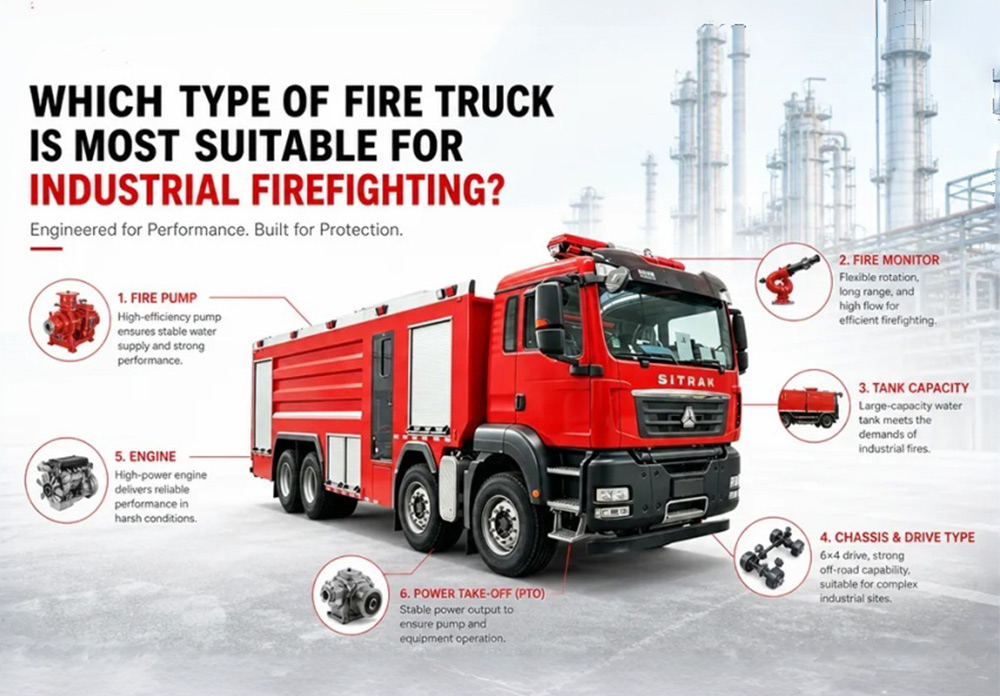
Индустријски пожари се суштински разликују од обичних пожара у објектима. Петрохемијска постројења се првенствено суочавају са пожарима запаљивих течности и горивих гасова, док се производни објекти и логистички центри за складиштење чешће баве обичним запаљивим материјалима — због тога су за различите ризике од пожара потребни различити типови индустријских ватрогасних возила. Овај чланак упоређује водена ватрогасна возила, пенска ватрогасна возила, ватрогасна возила са сувим прахом и комбиноване јединице. Овај свеобухватни водич за куповину помаже менаџерима набавке, инжењерима, дистрибутерима и извођачима да разумеју кључне разлике између типова индустријских ватрогасних возила и изаберу најпогодније возило за своје специфичне потребе индустријске заштите од пожара. » I. Брзи одговор: Које ватрогасно возило је најбоље за индустријско гашење пожара? Избор треба да се заснива на типу пожара, карактеристикама индустрије и захтевима за гашење: Индустрија Препоручено ватрогасно возило Разлог Петрохемијска индустрија Комбинована јединица вода + пена + суви прах Покрива пожаре класе A, B, C и електричне пожаре; прилагођава се сложеним сценаријима пожара Природни гас / LNG Ватрогасно возило са сувим прахом Брзо гашење гасних пожара; смањује ризик од поновног паљења Општа производња Ватрогасно возило са водом Нижи трошкови; погодно за пожаре класе A; једноставно одржавање Складиштење и логистика Пенско ватрогасно возило Може да се носи и са обичним запаљивим материјалима и са неким пожарима течности Електрана Ватрогасно возило са сувим прахом + пеном Испуњава потребе за гашење електричне опреме и пожара уља Рударство Ватрогасно возило са водом 6x4 Велики капацитет оптерећења; добре теренске способности; погодно за неравне терене Једноставно речено: Општи индустријски објекти: Ватрогасно возило са водом је обично довољно. Нафтна и хемијска индустрија: Пенско ватрогасно возило је први избор. Посебне индустрије (природни гас, електрична опрема): Препоручује се ватрогасно возило са сувим прахом. Велики интегрисани индустријски паркови: Комбинована јединица вода + пена + суви прах пружа најсвеобухватнију способност гашења пожара и најсвестранији је избор. » II. Разумевање индустријских ризика од пожара Пре избора ватрогасног возила, купци морају разумети опасности од пожара присутне у њиховом објекту. Индустријски пожари се класификују према врсти горива које је укључено. Класификације пожара за индустријска окружења Класа пожара Врста горива Примери Потребно средство за гашење Класа A Уобичајени запаљиви материјали Дрво, папир, тканина, гума, пластика (чврсти материјали) Вода, пена, суви прах Класа B Запаљиве течности Бензин, уље, дизел, хемикалије, растварачи Пена, суви прах, CO2 Класа C Запаљиви гасови Метан, пропан, водоник, природни гас Суви прах, прекид довода гаса Класа D Запаљиви метали Магнезијум, титанијум, натријум, алуминијумски прах Само специјализовани суви прах Електрична опрема Опрема под напоном Трансформатори, разводна опрема, далеково...
Детаљи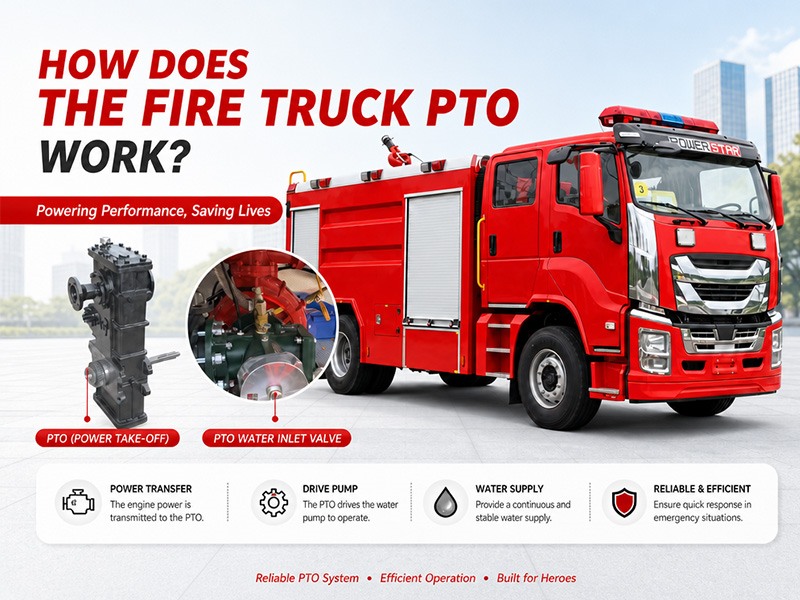
PTO (одвођење снаге) ватрогасног возила је уређај за пренос снаге који преноси снагу мотора на ватрогасну пумпу. Када ватрогасац активира PTO, механичка снага из мотора се преноси кроз мењач и PTO до ватрогасне пумпе — то је основни принцип рада како једно ватрогасно возило PTO система функционише — омогућавајући пумпи да испоручује воду или пену високог притиска и великог протока без потребе за посебним помоћним мотором. Савремена ватрогасна возила обично користе бочно постављене PTO или системе PTO са пуном снагом. Они обезбеђују стабилан излаз снаге, практично руковање и ниске трошкове одржавања, што их чини кључном компонентом система за гашење пожара ватрогасног возила. »I. Шта је PTO ватрогасног возила? 1. Дефиниција PTO-а PTO (одвођење снаге) је кључна компонента система напајања ватрогасног возила. То је зупчасти преносни уређај уграђен између мотора и мењача, намењен да „преусмери“ део механичке снаге из мотора возила или мењача ка ватрогасној пумпи или другој помоћној опреми, без утицаја на нормалну способност вожње возила. Мотор ватрогасног возила је првобитно одговоран само за покретање точкова. Међутим, када ватрогасно возило стигне на место пожара, точковима више није потребна снага, док је ватрогасној пумпи потребна снага за усисавање и повећање притиска воде. PTO је уређај који остварује овај „прекидач снаге“. 2. Шта значи одвођење снаге? Одвођење снаге (PTO) дословно значи „уређај за излаз снаге“. На ватрогасном возилу, то се односи на издвајање ротационе снаге са замајца мотора или зупчаника мењача путем спајања зупчаника и њено довођење до ватрогасне пумпе или друге помоћне опреме. Његов назив описује његову функцију: Мотор = извор снаге PTO = дистрибутер снаге Ватрогасна пумпа = крајњи потрошач снаге Зато је PTO мост који повезује „извор снаге“ и „систем за гашење пожара“. »II. Зашто је ватрогасном возилу потребан PTO? Основни разлог због ког ватрогасна возила морају бити опремљена PTO системом јесте то што операције гашења пожара захтевају непрекидан, стабилан излаз велике снаге који не може да зависи од стања кретања возила. Главни разлози: 1. Обезбеђује непрекидну снагу за гашење пожара Ватрогасна пумпа мора да ради дуже време током операција гашења пожара. PTO омогућава мотору да непрекидно покреће ватрогасну пумпу у празном ходу или при фиксном броју обртаја, обезбеђујући стабилан притисак и проток воде. 2. Побољшава ефикасност коришћења снаге Без PTO-а, био би потребан посебан помоћни мотор за покретање ватрогасне пумпе, што би повећало: Трошкове Сложеност одржавања Ризик од квара Заузимање простора PTO директно користи снагу мотора возила, побољшавајући укупну ефикасност. 3. Подржава више система за гашење пожара Савремена индустријска ватрогасна возила могу имати не само водене пумпе већ и: Системе за пену Системе са сувим прахом Системе воде високог притиска Даљински управљане мониторе за гашење пожара Без PTO-а постоје само два решења: Уградити посебан мотор за покретање пумпе → повећава тежину, трошкове, број тачака...
Детаљи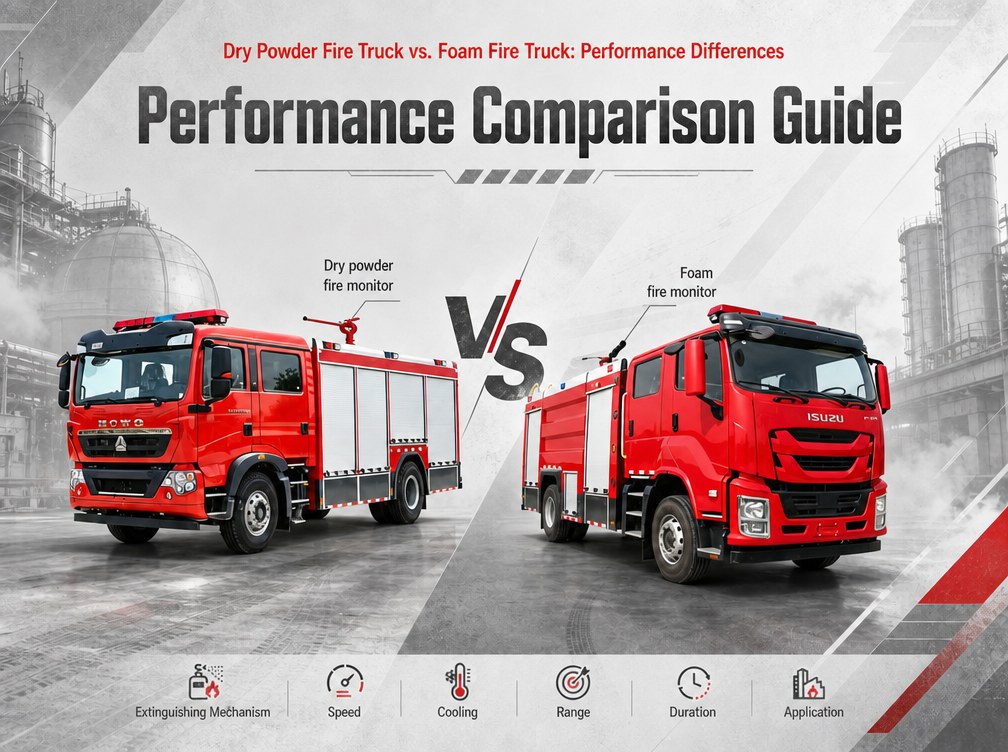
Ватрогасно возило са системом пене са компримованим ваздухом (CAFS)иједноватрогасно возило са сувим прахоммогу се користити за гашење пожара запаљивих течности и гасова. Оба су специјализована возила пројектована за руковање опасностима класе B и класе C. Међутим, њихова средства за гашење, принципи рада и сценарији примене су суштински различити. Овај чланак објашњава кључне разлике измеђуватрогасних возила са сувим прахоми CAFS ватрогасних возила из више аспеката: механизам гашења, принцип рада, кључне компоненте, параметри перформанси, сценарији примене и трошкови. »I. Како функционишу различита средства за гашење? 1. Зашто вода не може да угаси све врсте пожара •• Класа B (запаљиве течности):Вода је тежа од уља и тоне директно на дно, никада не достижући површину пламена. •Класа C (запаљиви гасови):Вода не може да заустави цурење гаса; чак може проширити пламен или изазвати експлозију паре. •Електрични пожари:Вода проводи електрицитет, стварајући озбиљну опасност од струјног удара за ватрогасце. •Класа D (запаљиви метали):Вода бурно реагује са металима који горе, као што су магнезијум, титанијум и натријум, изазивајући експлозије и ширење запаљених металних фрагмената. 2. Како функционише суви прах? •Хемијски прекид:Честице сувог праха прекидају ланчану реакцију сагоревања, заустављајући пожар готово тренутно. •Ограничено хлађење:За разлику од воде или пене, суви прах пружа веома мали ефекат хлађења. •Без покривног слоја:Прах не ствара трајну баријеру; када се распрши, пожар се може поново запалити ако је гориво и даље врело. •Непроводљив:Суви прах не проводи електрицитет, што га чини безбедним за електричне пожаре. 3. Како функционише пена са компримованим ваздухом (CAFS)? •Покривање:Пена прекрива површину горива, стварајући густу физичку баријеру која блокира довод кисеоника. •Hlađenje:Pena sadrži veliku količinu vode; isparavanje vode apsorbuje toplotu, neprekidno odvodeći toplotu sa površine goriva. •Potiskivanje isparenja:Sloj pene sprečava isparavanje para goriva u vazduh, prekidajući lanac mešanja goriva i vazduha. •Prijanjanje:CAFS pena se lepi za vertikalne površine i plafone, pružajući zaštitu koju voda ne može postići. » II. Glavne komponente svakog sistema Vatrogasno vozilo sa suvim prahom Komponenta Opis Rezervoar za prah Skladišti suvi hemijski prah (kapacitet: 2.000 - 10.000 kg) Boce sa potisnim gasom Skladište komprimovani azot ili vazduh pod visokim pritiskom (15-20 MPa) Regulator pritiska Smanjuje pritisak gasa na bezbedan radni nivo (1,5-2,5 MPa) Ventil za ispuštanje praha Kontroliše protok praha od rezervoara do ispusnog voda Creva i mlaznice Dovode prah do požara; posebne mlaznice sprečavaju začepljenje Kontrolna tabla Omogućava rukovaocu da podigne pritisak u rezervoaru, otvori ventile i kontroliše ispuštanje Vatrogasno vozilo sa sistemom pene sa komprimovanim vazduhom (CAFS) Komponenta Opis Rezervoar za vodu Skladišti vodu (kapacitet: 2.000 - 12.000 L) Rezervoar za penu Skladišti koncentrat pene (kapacitet: 200 ...
Детаљи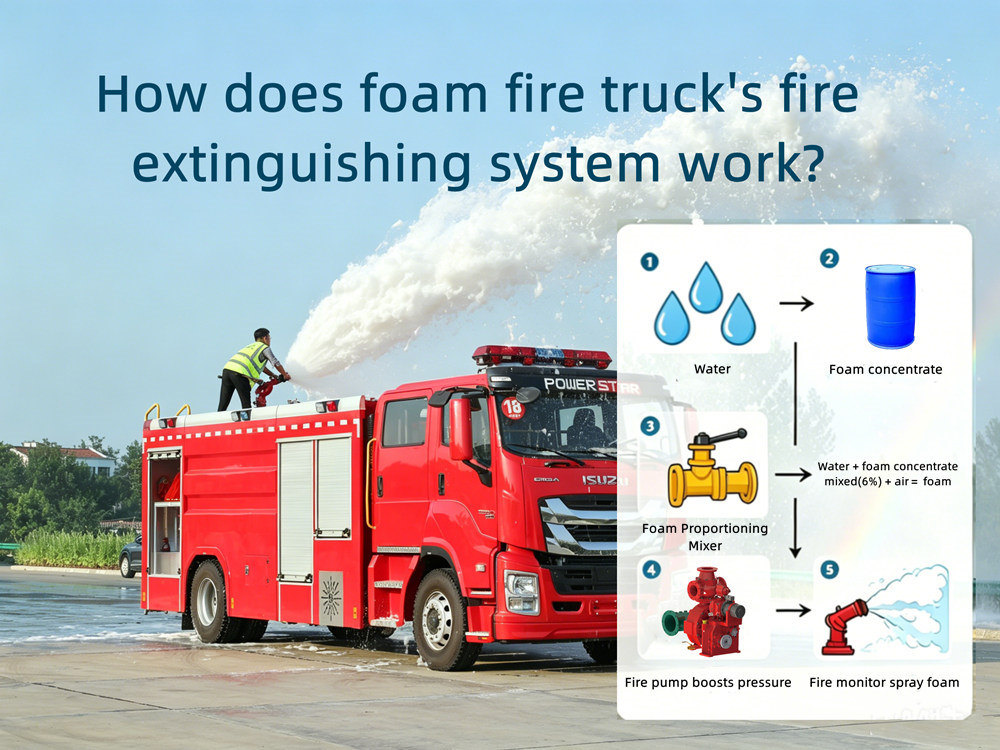
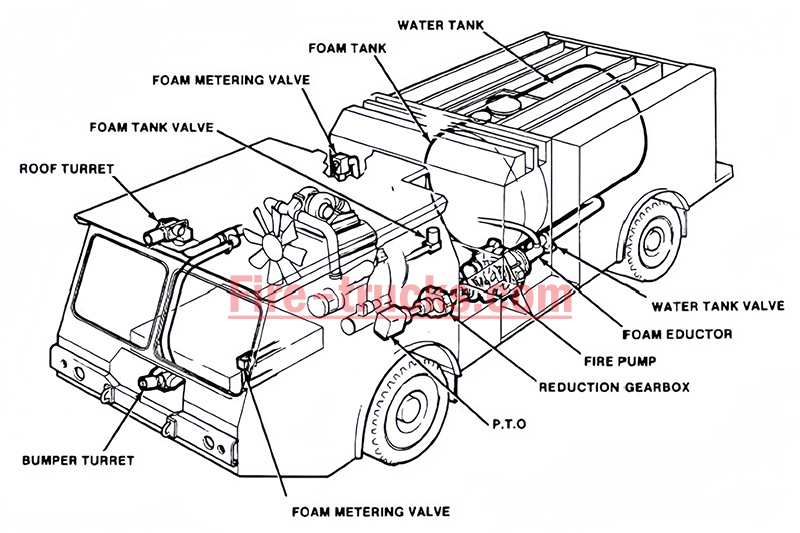
» Основна логика гашења пожара пеном ★. Зашто вода не може да угаси пожаре уља? • Разлика у густини:Вода је тежа од уља и тоне директно на дно, никада не додирујући пламен. • Прекувавање :Вода на дну тренутно испарава при контакту са високим температурама, повећавајући запремину хиљадама пута и распршујући слој уља. • Поновно паљење: Мала количина воде која испарава у пару само привремено изолује уље од кисеоника; када се пара распрши, површина уља се одмах поново запали. ★. Како пена делује? • Изолација: Пена прекрива површину уља, стварајући густу физичку баријеру која блокира довод кисеоника. • Хлађење: Пена садржи велику количину воде; испаравање те воде апсорбује топлоту, непрекидно односећи топлоту са површине уља. • Блокирање:Слој пене спречава испаравање уљних пара у ваздух, прекидајући ланац мешања горива и ваздуха. » Главне компоненте гашења пожара 1. Довод воде и течности – два независна система за складиштење Ватрогасно возило са пеном има два одвојена резервоара: резервоар за воду и резервоар за пенасту течност. 2. Ватрогасна пумпа Ватрогасне пумпе су енергетско срце целокупног система за гашење пожара, посебно дизајниране за испоруку воде или раствора пене. Наша ватрогасна возила углавном користе ватрогасне пумпе два позната бренда: Xiongzhen и Rongshen. Притисци обухватају низак, средњи и средње-низак притисак; проток се креће од 20L/s до 180L/s; дубина усисавања је 7m. Међу њима, најчешће користимо ватрогасну пумпу CB10/60, са протоком од 60L/s и номиналним притиском од 1.0MPa. 3. Ватрогасни монитор Двонаменски, способан за прскање воде ради гашења пожара чврстих материја и пене ради гашења пожара уља; наша ватрогасна возила углавном користе ватрогасне мониторе Chengdu West, који могу прскати воду или пенасту течност и имају функције распршеног млаза и директног млаза; имају велики домет, концентрисани млаз, висок однос стварања пене и велику заштићену површину; флексибилни су и погодни за руковање, а тело монитора може да се ротира хоризонтално и вертикално. Међу њима, најчешће користимо ватрогасни монитор PL8/48, са протоком од 48L/s и номиналним притиском од 0.8MPa; домет је ≥70m за воду и ≥60m за пену. 4. Млазнице за воду и млазнице за пену Вода или пена се доводе кроз цеви и ватрогасна црева до крајњих млазница за воду/пену за гашење пожара. 5. Фиксни дозатор пене у односу на потпуно аутоматски дозатор пене Димензије поређења Фиксно дозирање (тип са циркулационом пумпом, негативни притисак) Променљиво дозирање (тип са циркулационом пумпом, негативни притисак) Однос мешања 6%(пример:PH64-RS) 1%~10%,корак 0,5% Опсег радног притиска 0.6~1.4MPa 0.6~2.5MPa Опсег протока 16~64L/s TAF-PH120,120L/s;TAF-PH240,240L/s Тачност дозирања На њу значајно утичу притисак воде и отпор цевовода, што доводи до великих грешака. Корекција у реалном времену обезбеђује високу тачност дозирања и минималну грешку. Применљиви сценарији Погодно за велика и средња ватрогасна возила са константним протоком и стабилним прити...
Детаљи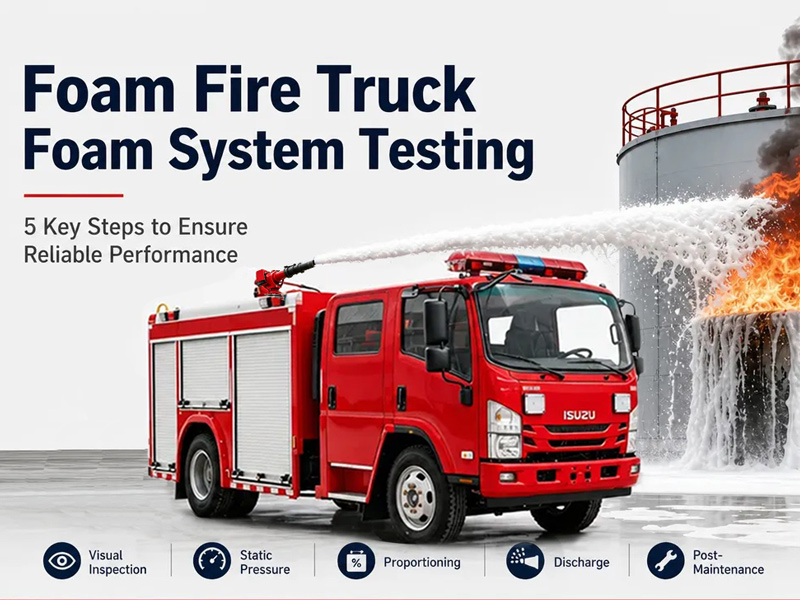
Пенски ватрогасни камион је основна опрема за гашење пожара запаљивих течности. Прецизним мешањем пенског концентрата са водом у односима од 1%, 3% или 6% (тачност ±0,5%), овај пенски ватрогасни камиониспоручује уједначен пенски слој за пожаре млазног горива на аеродромима или пожаре резервоара у рафинеријама. Његов резервоар за пену од нерђајућег челика и интелигентни систем дозирања обезбеђују нулте грешке у мешању, повећавајући ефикасност гашења пожара за више од 50% уз смањење отпада пене за 30%. Он је невидљиви чувар индустријске противпожарне безбедности. Основни принцип рада и кључне процедуре испитивања система пене пенског ватрогасног камиона су у фокусу многих купаца. Хајде да данас научимо о томе. 1. Три кључне компоненте система пене пенског ватрогасног камиона 1.1 Резервоар за пенуКонструкција од нерђајућег челика 304 (доња плоча 4 мм, бочне плоче 3 мм), дизајн отпоран на корозију, опремљен поклопцем отвора, индикатором нивоа, отвором за испуштање и вентилационим вентилом. 1.2 Дозатор пенеУграђен у водену линију, ствара вакуум када вода протиче кроз њега, увлачећи концентрат пене у водени ток. Уобичајени односи мешања: 1%, 3% и 6%. 1.3 Монитор пене и млазницеПостављен на крову или ручни, хоризонтална ротација од 360°, вертикални нагиб од -30° до 80°, способан за производњу експандиране пене за гашење пожара. 2. Основни принцип рада система пене 2.1 Систем дозирањаВода протиче кроз дозатор → ствара вакуум → увлачи концентрат пене из резервоара за пену → меша се у унапред подешеном односу (1%, 3% или 6%) → раствор пене тече до пумпе. 2.2 Притисак пумпеРаствор пене улази у центрифугалну пумпу → подиже се притисак на 1,0–1,2 MPa → испоручује се кроз цевоводе до излазних отвора или монитора. 2.3 Експанзија пенеРаствор пене под притиском пролази кроз млазницу за пену → увлачи се ваздух → раствор се шири у готову пену → пенски слој покрива површину горива → прекида довод кисеоника и сузбија пожар. 3. Избор материјала и компоненти Да би купцима обезбедио савршенији пенски ватрогасни камион, Fire TRUCKS бира најбоље материјале и компоненте за систем пене. 3.1 Систем резервоара за пену (језгро складиштења и заштите од корозије) Структурни слој Материјал / процес Функција Унутрашњи резервоар Нерђајући челик 304 (дно 4 мм, странице 3 мм) Отпорност на корозију, компатибилност са концентратом пене Поклопац отвора Механизам за брзо закључавање Једноставан приступ за пуњење и чишћење Индикатор нивоа Визуелни мерач Праћење нивоа концентрата пене у реалном времену Вентилациони вентил Ослобађање притиска Спречава вакуум или прекомерни притисак у резервоару 3.2 Систем дозирања (актуатор мешања) Дозатор пене:Инсталиран у воденој линији, користи Вентуријев ефекат за увлачење концентрата пене. Уобичајени односи: 1%, 3%, 6% Типови управљања:Ручни, полуаутоматски или потпуно аутоматски Усисна линија:Нерђајући челик или ојачано црево са филтером за спречавање зачепљења 3.3 Систем за испуштање (испорука пене) Монитор пене:Монтиран на кров, ротација од 360°...
Детаљи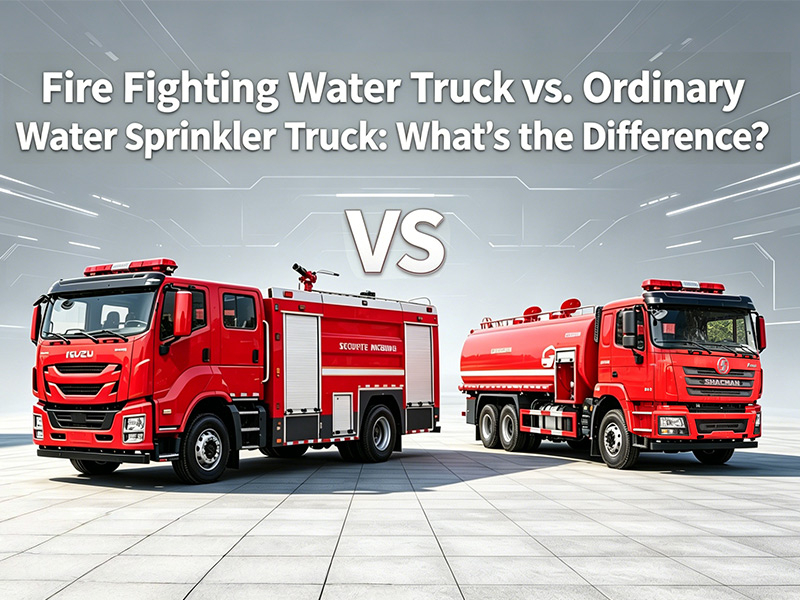
Vatrogasni kamion za vodu i običan kamion za vodu mogu izgledati slično. Oba su velika vozila sa rezervoarima za vodu, pumpama i crevima. Međutim, njihov dizajn, komponente i namene su suštinski različiti. Ovaj članak objašnjava ključne razlike između vatrogasnih kamiona za vodu (poznatih i kao višenamenski kamioni za vodu ili šumski vatrogasni kamioni) i običnih kamiona za vodu iz više uglova: izgled, konfiguracija, princip rada, primena i drugo. » I. Šta je vatrogasni kamion za vodu? Vatrogasni kamion za vodu poznat je i kao višenamenski kamion za vodu, šumski vatrogasni kamion ili kamion za snabdevanje vatrogasnom vodom. Pripada seriji civilnih vatrogasnih vozila. Ovo vozilo objedinjuje funkcije gašenja požara i zalivanja u jednoj jedinici. Nalazi se između profesionalnog vatrogasnog vozila i običnog kamiona za vodu. Glavne primene: Navodnjavanje pejzažnih površina i zelenih pojaseva Gašenje požara i suzbijanje požara Hitno snabdevanje vodom za gašenje požara Suzbijanje prašine u rudnicima i na gradilištima Gašenje požara manjih razmera u stambenim zajednicama Prskanje pesticida (opciono) Ključne karakteristike: Kapacitet rezervoara: 2.000 – 12.000 litara Tip pumpe: Vatrogasna pumpa pokretana sendvič PTO priključkom Domet prskanja: 50 metara ili više Protok pumpe: Do 100 kubnih metara na sat Boja: Vatrogasno crvena ili inženjerska žuta Krovni top: horizontalna rotacija od 360°, vertikalni nagib od -30° do 80° » II. Šta je običan kamion za vodu? Običan kamion za vodu je vrsta komunalnog vozila izgrađenog na dvoosovinskoj komercijalnoj šasiji. Sastoji se od antikorozivnog rezervoara za vodu, priključka za pogon (PTO), pogonske osovine, posebne samousisne pumpe za vodu, cevne mreže, izlaza za prskanje i radne platforme. Glavne primene: Navodnjavanje pejzažnih površina i zelenih pojaseva Održavanje i čišćenje puteva Suzbijanje prašine na gradilištima Pranje ulica Poljoprivredno prskanje pesticida (opciono) Hitno gašenje požara (ograničene mogućnosti) Ključne karakteristike: Kapacitet rezervoara: 5.000 – 20.000 litara Tip pumpe: Samousisna pumpa za vodu (bočno postavljen PTO) Domet prskanja: 28 metara ili manje Protok pumpe: Približno 40 kubnih metara na sat Boja: Obično odgovara boji kabine šasije (bela je uobičajena) » III. Кључне разлике између ватрогасног камиона цистерне за воду и обичног камиона цистерне за воду 1. Изглед и боја Карактеристика Ватрогасни камион цистерна за воду Обични камион цистерна за воду Боја каросерије Ватрогасно црвена или инжењерска жута Усклађена са кабином шасије (често бела) Ознака на кабини „FIRE“ или слично „SPRINKLER“ или „WATER“ или нема ознаке Облик резервоара Квадратни или кружни резервоар са преградама Кружни или правоугаони резервоар Задња конструкција Кућиште пумпе са роло-вратима Радна платформа за млазни топ Горња опрема Ватрогасни монитор, цев за довод воде у хитним случајевима, рукохвати Само поклопац отвора резервоара Светла упозорења Велика светла за хитне случајеве и сирена Само мала габаритна св...
Детаљи
Molimo vas da čitate dalje, ostanite obavešteni, pretplatite se i rado ćemo čuti vaše mišljenje.

 ИПв6 мрежа подржана

 српски
 English
 français
 Deutsch
 русский
 italiano
 español
 português
 Nederlands
 العربية
 日本語
日本語 한국의
한국의 Türkçe
 Melayu
 ไทย
ไทย Tiếng Việt
 Indonesia
  中文
中文 қазақ
қазақ Filipino
 မြန်မာ