Pošaljite poruku
Ako ste zainteresovani za naše proizvode i želite da saznate više detalja, ostavite poruku ovde, odgovorićemo vam u najkraćem roku.

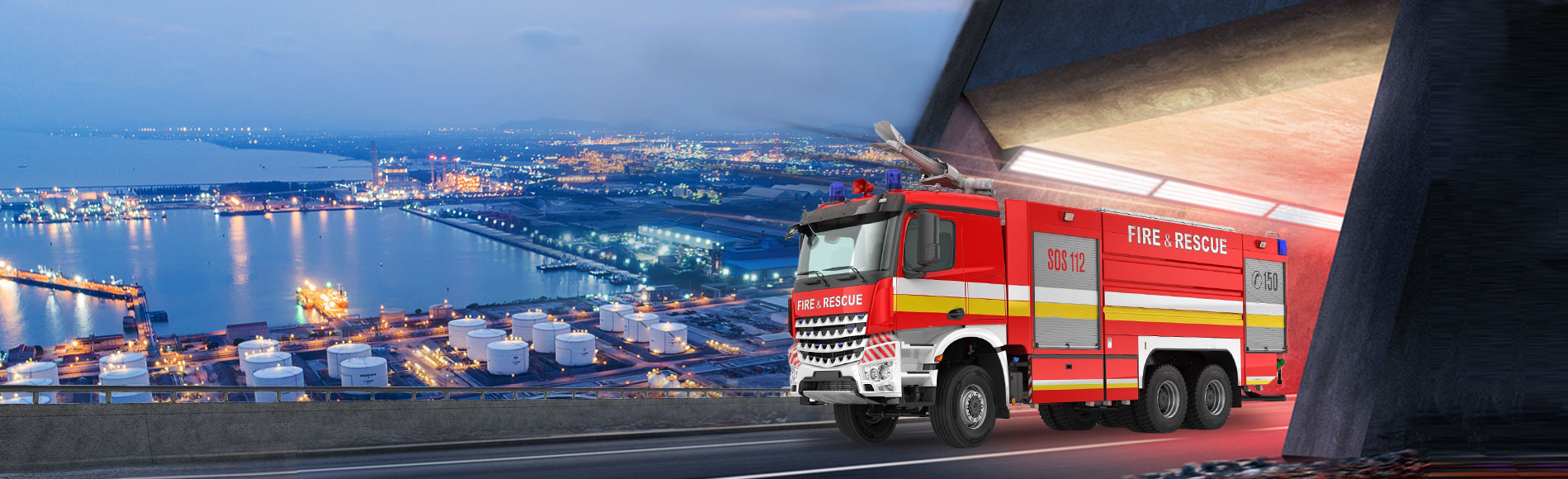
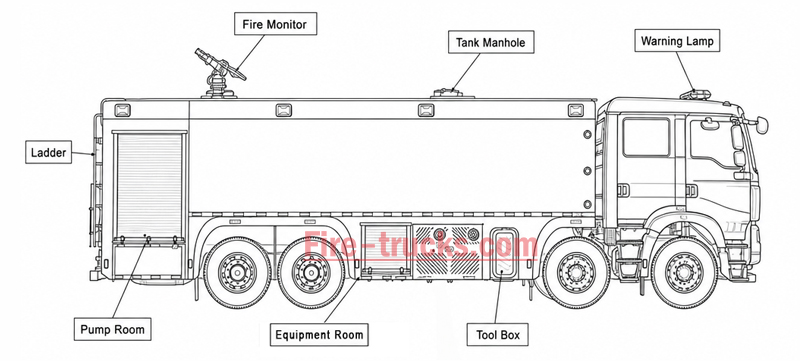
Систем пумпе и распршивања ватрогасног возила је језгро операција гашења пожара. Он делује као „моћна рука“ ватрогасног возила. Претварањем снаге мотора у притисак (у распону од 0,8 до 1,4 MPa), он доставља средства за гашење на висине до 85 метара — било да је реч о пожару у високој згради у густом градском центру или пожару резервоара за петрохемијско складиштење у индустријској зони, ватрогасно возилосе ослања на овај систем за постизање ефикасног гашења пожара.
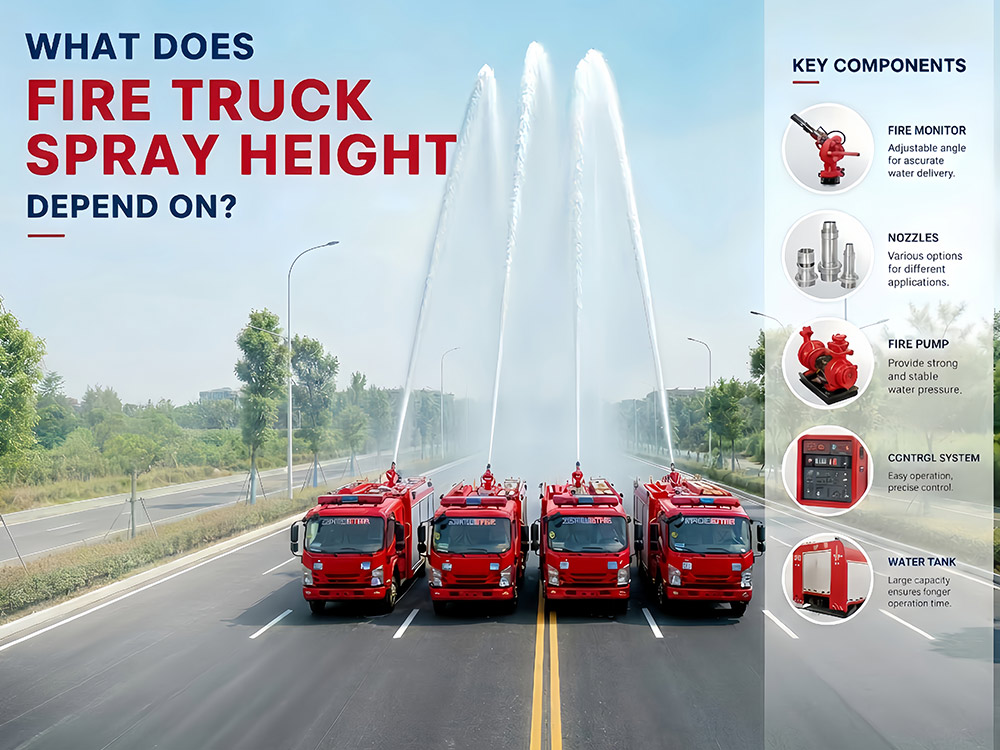
Који фактори утичу на висину распршивања ватрогасног возила и како притисак пумпе, проток и ватрогасни монитор заједно функционишу? Ово су питања која занимају многе купце. Хајде да то данас научимо.
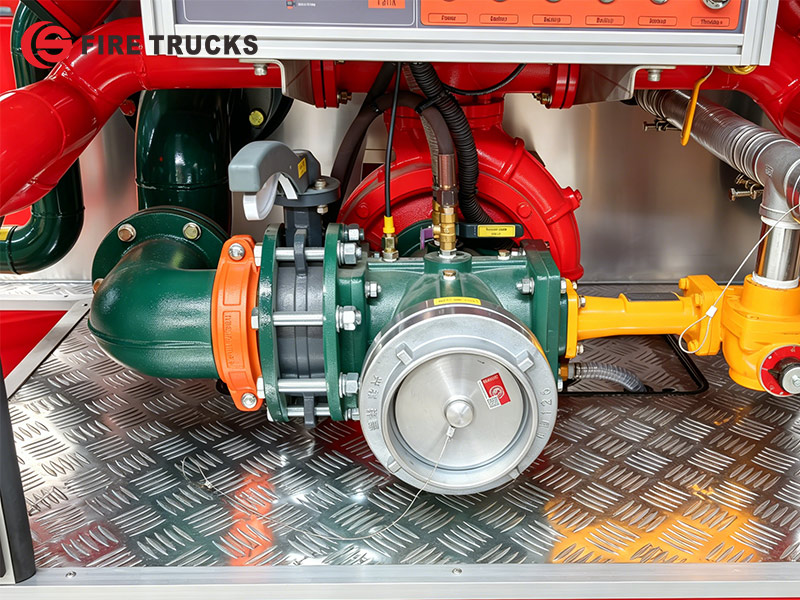
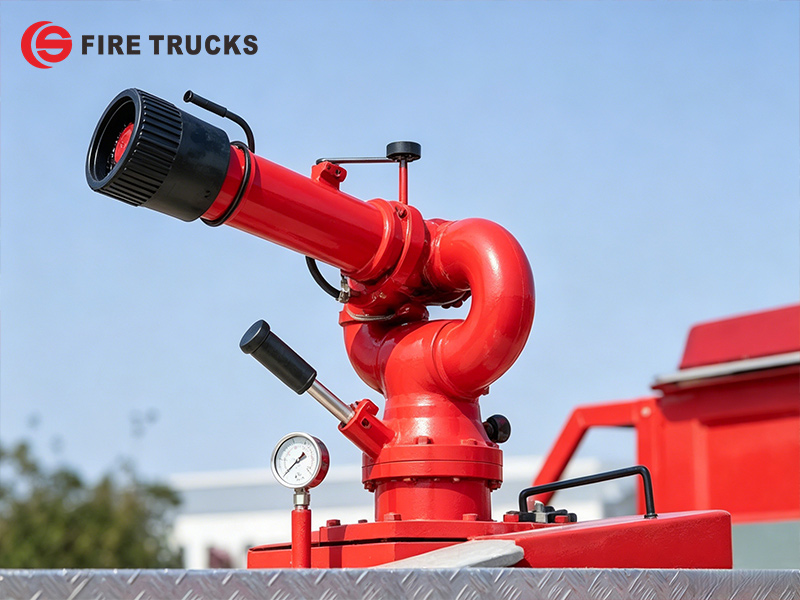
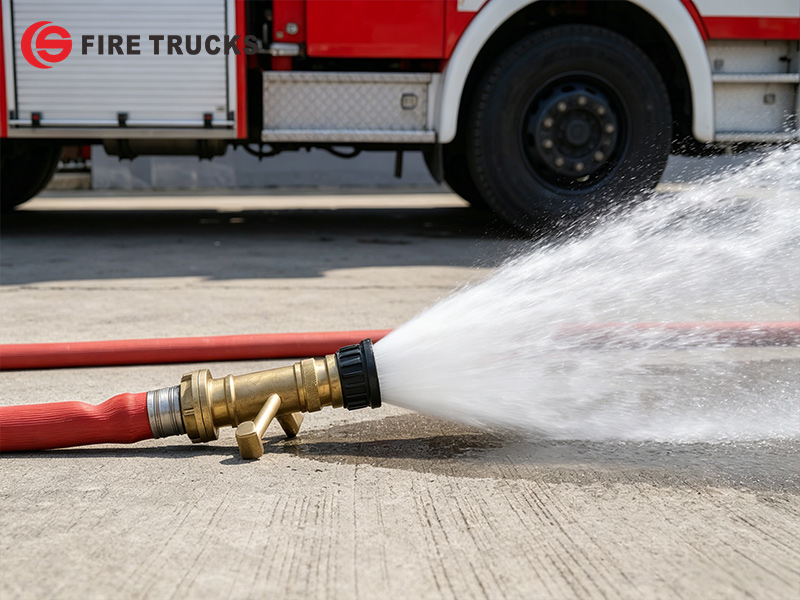
Притисак пумпе ватрогасног возила је сила коју ствара ватрогасна пумпа како би потиснула средство за гашење кроз црева и избацила га из млазница или монитора. Он је главни покретач и протока и даљине распршивања. Већи притисак ствара већу брзину на излазу монитора, директно повећавајући висину распршивања. Однос је одређен формулом H ≈ P/(ρg), где свако повећање од 0,1 MPa додаје приближно 10 метара теоријске висине — али стварни губици то смањују.
У практичним операцијама гашења пожара примењују се следећи опсези:
| Притисак пумпе | Типична висина распршивања |
| 0,8 MPa | 35–45 метара |
| 1,0 MPa | 45–55 метара |
| 1,2 MPa | 55–70 метара |
| 1,4 MPa | 70–85 метара |
Пумпа је обично центрифугална пумпа коју покреће мотор возила преко прикључка за одузимање снаге (PTO). Како се радно коло окреће, оно увлачи средство за гашење и избацује га ка споља центрифугалном силом, стварајући притисак који га потискује кроз излазни систем.
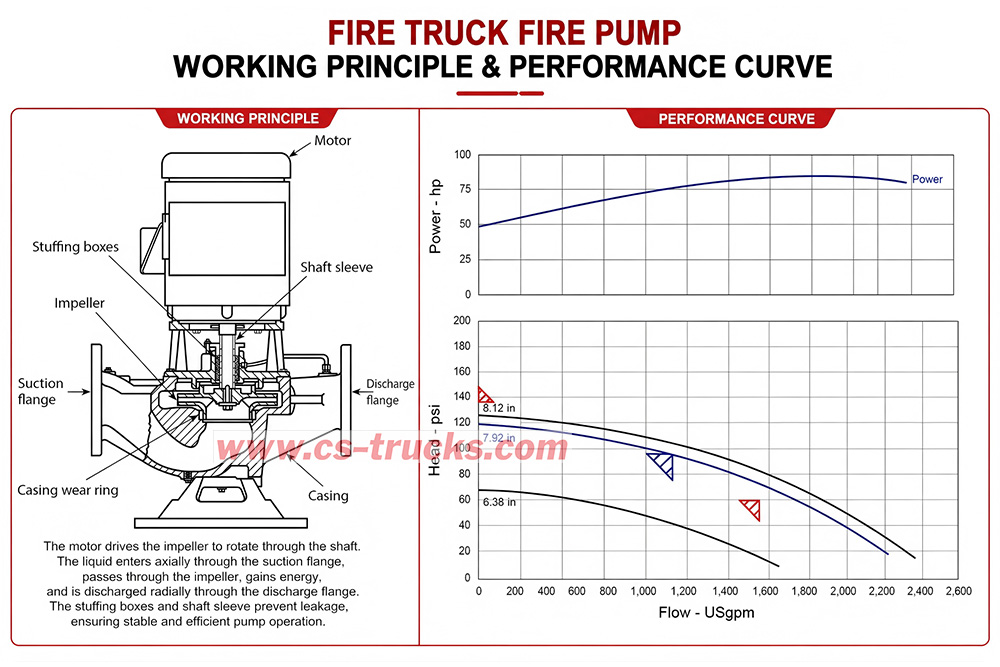 Називни притисак у односу на радни притисак:
| Појам | Дефиниција |
| Називни притисак | Максимални притисак који пумпа може непрекидно да одржава у условима пројектовања |
| Радни притисак | Стварни притисак који се користи током гашења пожара, обично нижи од називног притиска како би постојала резерва |
Одговарајући проток је једнако важан као и притисак. Висок притисак са малим протоком не може да испоручи довољно средства за гашење како би се пожар угасио. Систем пумпе мора истовремено да одржава и притисак и проток.
Однос протока и висине распршивања:
2.000 L/min → ефикасно за градске пожаре
3.000 L/min → pogodno za industrijske parkove
4.000 L/min → potrebno za petrohemijska postrojenja
5.000+ L/min → neophodno za spasavanje pri požarima na aerodromima
Unutrašnji tok monitora, prečnik izlaza i tip direktno utiču na visinu raspršivanja.
Poređenje tipova monitora:
Monitor za vodu: najveća visina, pravolinijski tok
Monitor za penu: nešto niži (5–10% manje) zbog turbulencije pri uvlačenju vazduha
Monitor za dvostruku namenu: umeren (kompromis između vode i pene)
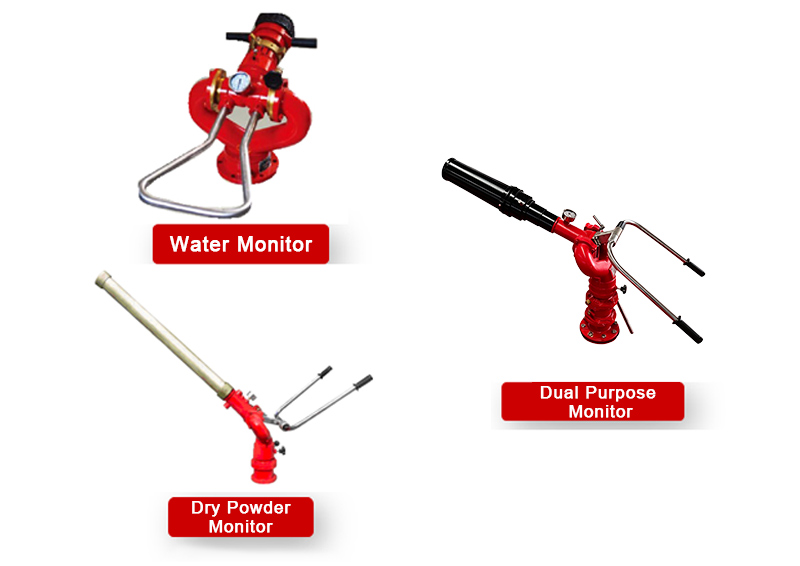
Voda i pena imaju različite gustine. Rastvor pene je približno 5–10% gušći od vode, što pri istom pritisku neznatno smanjuje visinu raspršivanja. Ovo treba uzeti u obzir pri izboru opreme za rad sa penom.
Dok sredstvo za gašenje protiče kroz creva i cevovode, trenje smanjuje pritisak na monitoru. Duža creva i manji prečnici povećavaju gubitke.
Faktori gubitka usled trenja:
Dužina creva: duže = veći gubitak
Prečnik creva: manji = veći gubitak
Spojnice i krivine: svaka dodaje otpor
Kako bi kupcima pružio najbolja rešenja za gašenje požara, FIRE TRUCKS bira najpogodniji sistem na osnovu primene
zahteva: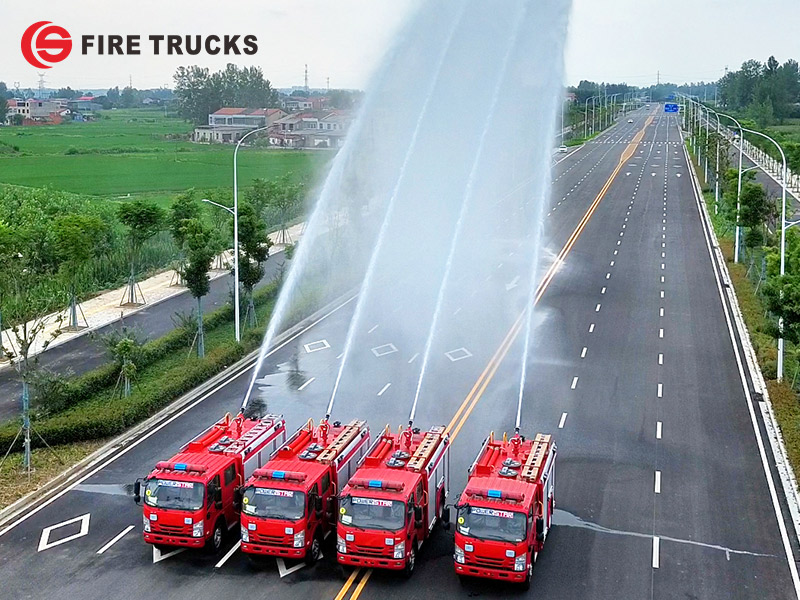
| Pritisak pumpe | Protok | Visina raspršivanja | Preporučena primena |
| 0,8 MPa | 2.000 L/min | 35–45 m | Opštinsko gašenje požara |
| 1,0 MPa | 3.000 L/min | 45–55 m | Industrijski parkovi |
| 1,2 MPa | 4.000 L/min | 55–70 m | Petrohemijska postrojenja |
| 1,4 MPa | 5.000+ L/min | 70–85 м | Гашење пожара на аеродрому |
| Примена | Препоручени тип монитора | Разлог |
| Комунално гашење пожара | Водени монитор | Највећа висина млаза, једноставно руковање |
| Рафинерија нафте/хемијско постројење | Пенасти монитор или двонаменски | Рукује пожарима запаљивих течности |
| Спасавање након удеса авиона | Пенасти монитор (великог капацитета) | Потребна је велика количина пене |
| Мешовити ризици од пожара | Двонаменски монитор | Флексибилност за воду и пену |
| Фактор | Утицај | Како оптимизовати |
| Притисак пумпе | Директно пропорционалан | Изабрати одговарајући притисак за примену |
| Проток | Одржава сузбијање пожара | Уравнотежити притисак са протоком |
| Дизајн монитора | До 10% варијације | Ускладити тип монитора са применом |
| Тип средства | Пена благо смањује висину | Узети у обзир разлику у густини |
| Губитак услед трења | Смањује ефективни притисак | Користити краћа/већа црева |
| Повећање надморске висине | Троши притисак | Додати притисак за висину |
| Брзина ветра | Смањује ефективну висину | Поставити камион уз ветар |
Позадина случаја:
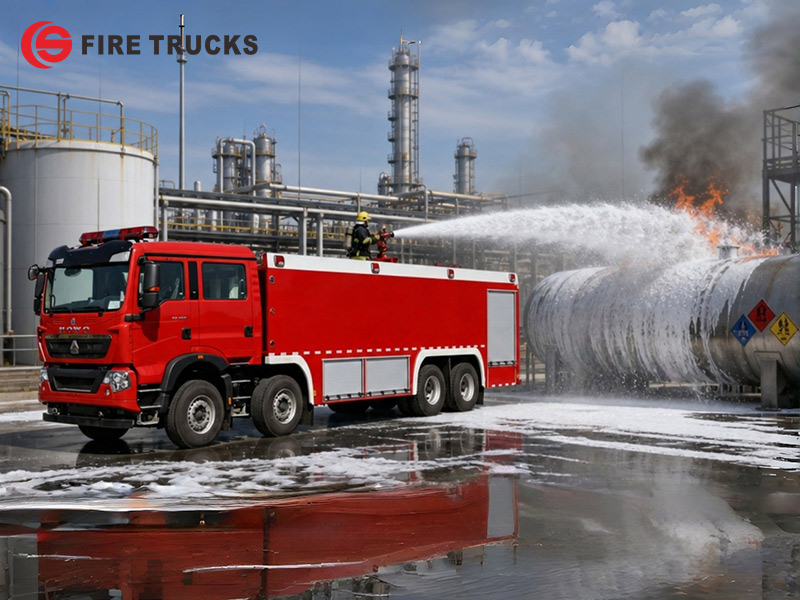
У индустријској зони избио је велики пожар у постројењу за складиштење петрохемијских производа. Пожар је захватио плутајући кровни резервоар пречника 50 метара који је садржао сирову нафту. Црева са земље нису могла да досегну пожар због висине резервоара и зоне зрачеће топлоте.
Конфигурација ватрогасног камиона:
Ватрогасни камион са пеном 8×4
Систем пумпе номиналног притиска 1,2 MPa / 4.000 L/min
PL48 комбиновани монитор за пену/воду
Стварне перформансе:
Измерена висина млаза: приближно 62 метра
Ефективна покривеност: површина резервоара пречника приближно 80 метара
Пенасти покривач је успешно угасио пожар у року од 8 минута
Кључна поука:
За пожаре великих складишних резервоара, притисци испод 1,0 MPa често нису довољни за испоруку пене на потребну удаљеност. Комбинација одговарајућег притиска, великог протока и правилно изабраног монитора неопходна је за ефикасно гашење пожара.
Заблуда 1: Већи притисак је увек бољи
Стварност:Већи притисак повећава потрошњу енергије, трошкове опреме и сложеност одржавања. Превелики притисак такође може оштетити црева и млазнице. Циљ је одговарајући притисак за посао, а не максимални притисак.
Заблуда 2: Висина млаза је једнака способности гашења пожара
Стварност:Проток је често важнији од висине. Висок млаз са малим протоком можда неће испоручити довољно средства за гашење да би се пожар угасио. Комбинована вредност притиска и протока је оно што је важно.
Заблуда 3: Губитак трења се може занемарити
Стварност:Код дугачких цревних водова, губитак трења може потрошити 20–30% притиска пумпе. Правилан прорачун губитка трења је неопходан да би се обезбедио довољан притисак на млазници.
Заблуда 4: Монитор не прави разлику
Стварност:Пумпа високог притиска повезана са лоше пројектованим монитором неће постићи максималну висину млаза. Унутрашњи пут протока монитора, пречник излаза и тип утичу на коначне перформансе. Усклађивање монитора са пумпом је подједнако важно као и избор саме пумпе.
П: Који је најчешћи притисак пумпе на ватрогасним камионима?
О: Већина ватрогасних камиона је пројектована са притисцима пумпе у распону од 0,8 до 1,2 MPa, при чему је 1,0 MPa најчешћи стандард.
П: Колико високо може да прска пумпа од 1,0 MPa?
О: У стандардним условима, пумпа од 1,0 MPa може да постигне висину млаза од 45 до 55 метара уз употребу средњег до великог монитора.
П: Зашто пожари на високим зградама захтевају већи притисак пумпе?
О: Пожари на високим зградама захтевају додатни притисак за савладавање повећања висине (1,0 m висине захтева приближно 0,01 MPa) и губитка трења у вертикалним цревним водовима.
П: Да ли монитор за пену постиже исту висину млаза као монитор за воду?
A: Обично, пенски монитори постижу нешто мање висине (5–10% мање) од водених монитора при истом притиску због дизајна усисавања ваздуха који ствара турбуленцију и веће густине пенастог раствора.
П: Који је најважнији фактор за висину млаза?
О: Ниједан појединачни фактор не одређује висину млаза. Притисак пумпе, проток, дизајн монитора, тип млазнице и услови околине делују заједно. Добро избалансиран систем је ефикаснији од система који се истиче само у једној области.
П: Да ли сам монитор утиче на висину млаза?
О: Да. Унутрашња путања протока монитора, пречник излаза и тип (водени, пенски или двонаменски) директно утичу на висину млаза. Добро пројектован монитор максимално користи енергију коју испоручује пумпа.
Висина млаза зависи од више фактора — притиска пумпе, протока, дизајна монитора, врсте средства, губитка услед трења, надморске висине и услова ветра
1,0–1,2 MPa је уобичајени опсег притиска за већину индустријских примена гашења пожара
Избор монитора је важан — пумпа високог притиска са лоше пројектованим монитором неће постићи максималну висину млаза
Проток је подједнако важан као и притисак — висок притисак са малим протоком можда неће испоручити довољно средства за гашење за сузбијање пожара
Различита средства имају различите карактеристике млаза — пена је гушћа и постиже нешто мању висину
Петрохемијски и аеродромски пројекти обично захтевају 1,2 MPa или више
За међународне пројекте, дајте предност ватрогасним возилима која испуњавају признате стандарде као што су NFPA, EN или GB
Висина млаза ватрогасног возила није одређена једним фактором. Она зависи од комбинованог утицаја притиска пумпе, протока, дизајна монитора, врсте средства, губитка услед трења, повећања надморске висине и услова ветра.


Можда ћете бити заинтересовани за следеће информације
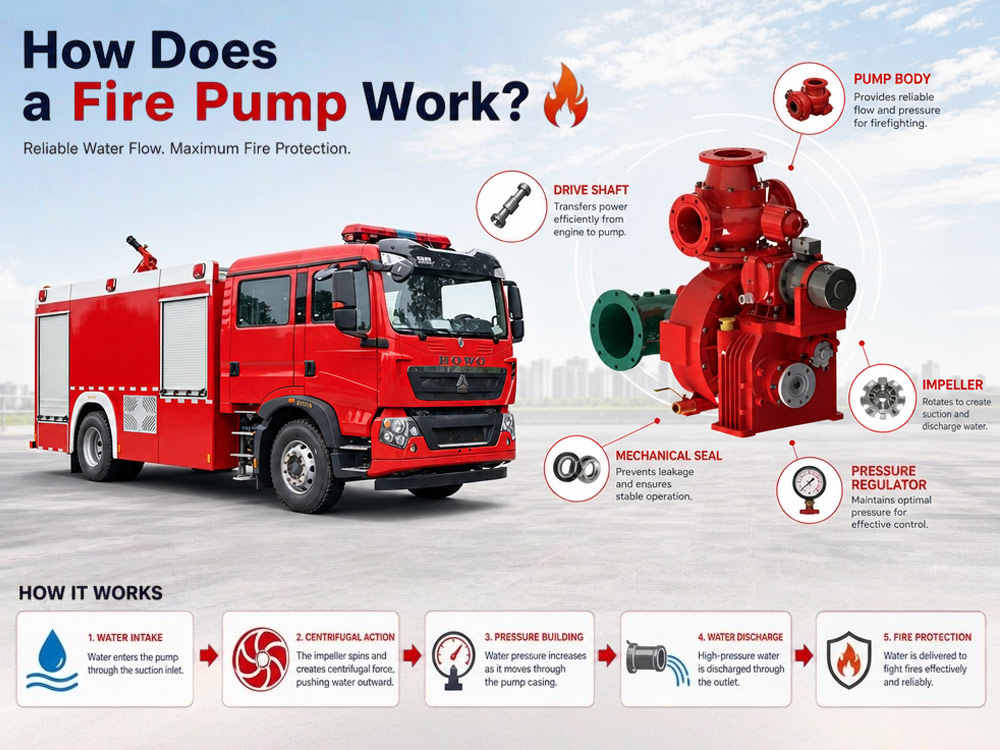
Ватрогасна пумпа је срце система за довод воде сваког ватрогасног возила. Било да реагује на пожар у објекту, индустријску ванредну ситуацију, инцидент на аеродрому или операцију на отвореном подручју, ватрогасна пумпана ватрогасном возилуодговорна је за довод воде под високим притиском до црева, ватрогасних монитора и система за пену.Њен центрифугални дизајн радног кола и систем са погоном преко PTO-а обезбеђују стабилан притисак и велики проток, директно повећавајући ефикасност гашења пожара за више од 40%, уз истовремено смањење времена реаговања за 3 пута. Може се назвати невидљивим чуваром ватрогасних операција и техничким темељем модерног реаговања у ванредним ситуацијама. Сазнајте како функционише ватрогасна пумпа, укључујући њен принцип рада, главне компоненте, процес протока воде, стварање притиска и примене. Откријте како пумпе на ватрогасним возилима обезбеђују поуздано снабдевање водом за гашење пожара и како изабрати одговарајућу пумпу за ваше ватрогасно возило.Хајде да данас научимо о томе. » I. Прво, треба да знамо три кључне компоненте система ватрогасне пумпе: 1. Радно коло:Ротирајућа компонента која увлачи воду и избацује је ка споља помоћу центрифугалне силе. Обично је направљена од бронзе, нерђајућег челика или ливеног гвожђа. 2. Кућиште пумпе:Кућиште које садржи радно коло и усмерава проток воде. Пројектовано је да претвара брзину у притисак. 3. Одвод снаге (PTO):Механичка веза која преноси снагу мотора са мењача возила на ватрогасну пумпу. » II. Након упознавања са кључним компонентама, основни принцип рада ватрогасне пумпе је следећи: 1. Снага се преноси са мотора преко PTO-а Мотор возила покреће PTO, који је повезан са вратилом пумпе. Када руковалац активира PTO, снага мотора се преусмерава да великом брзином окреће радно коло пумпе. 2. Радно коло почиње да се окреће Радно коло се окреће брзином од 1.500–2.500 RPM, увлачећи воду у пумпу кроз усисни отвор. Лопатице ротирајућег радног кола стварају зону ниског притиска у центру, увлачећи воду из уграђеног резервоара, хидранта или природног извора воде. 3. Центрифугална сила повећава притисак воде Док се радно коло окреће, оно избацује воду ка споља помоћу центрифугалне силе. Брзина воде се повећава док се креће од центра ка спољној ивици радног кола. Кућиште пумпе затим претвара ту брзину у притисак, потискујући воду под високим притиском кроз излазни отвор. 4. Вода под високим притиском излази кроз излазни отвор Вода под притиском (обично 0,8–1,2 MPa) излази кроз излазни отвор и доводи се до ватрогасних црева, ватрогасних монитора или система за дозирање пене за потребе гашења пожара. » III. Одакле ватрогасна пумпа добија воду? Ватрогасна пумпа може да црпи воду из три извора: Уграђени резервоар за воду:Примарни извор воде за почетни напад. Уобичајени капацитет: 2.000–12.000 литара. Обезбеђује тренутно снабдевање водом по доласку. Ватрогасни хидрант:Повезан преко доводних црева. Обезбеђује непрекидно снабдевање водом за дуже операције. Притисак из хидранта помаже пумпи да о...
Детаљи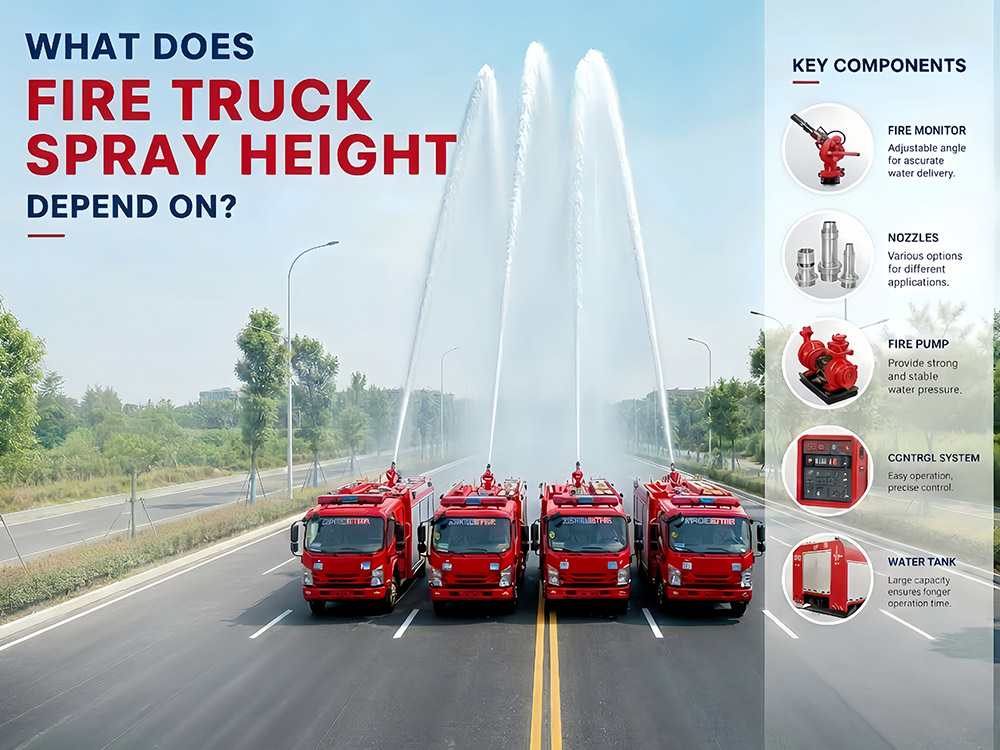
Систем пумпе и распршивања ватрогасног возила је језгро операција гашења пожара. Он делује као „моћна рука“ ватрогасног возила. Претварањем снаге мотора у притисак (у распону од 0,8 до 1,4 MPa), он доставља средства за гашење на висине до 85 метара — било да је реч о пожару у високој згради у густом градском центру или пожару резервоара за петрохемијско складиштење у индустријској зони, ватрогасно возилосе ослања на овај систем за постизање ефикасног гашења пожара. Који фактори утичу на висину распршивања ватрогасног возила и како притисак пумпе, проток и ватрогасни монитор заједно функционишу? Ово су питања која занимају многе купце. Хајде да то данас научимо. » I. Три кључне компоненте које одређују висину распршивања 1. Систем ватрогасне пумпе: Срце ватрогасног возила. Центрифугална пумпа покретана преко PTO система. Уобичајени нивои притиска: 0,8 MPa, 1,0 MPa, 1,2 MPa, 1,4 MPa. Протоци од 2.000 до више од 5.000 L/min. 2. Ватрогасни монитор: Последња компонента пре него што средство за гашење напусти возило. Доступан у варијантама монитора за воду, монитора за пену и двонаменског монитора. PL-серија (PL48) са протоком до 4.000 L/min и висином распршивања већом од 70 метара. 3. Систем довода: Цеви, црева и млазнице које преносе средство за гашење од пумпе до монитора. Пречник црева, дужина и тип млазнице утичу на коначну висину распршивања. » II. Кључни фактори који одређују висину распршивања 1.1. Притисак пумпе Притисак пумпе ватрогасног возила је сила коју ствара ватрогасна пумпа како би потиснула средство за гашење кроз црева и избацила га из млазница или монитора. Он је главни покретач и протока и даљине распршивања. Већи притисак ствара већу брзину на излазу монитора, директно повећавајући висину распршивања. Однос је одређен формулом H ≈ P/(ρg), где свако повећање од 0,1 MPa додаје приближно 10 метара теоријске висине — али стварни губици то смањују. У практичним операцијама гашења пожара примењују се следећи опсези: Притисак пумпе Типична висина распршивања 0,8 MPa 35–45 метара 1,0 MPa 45–55 метара 1,2 MPa 55–70 метара 1,4 MPa 70–85 метара 1.2. Како функционише ватрогасна пумпа: Пумпа је обично центрифугална пумпа коју покреће мотор возила преко прикључка за одузимање снаге (PTO). Како се радно коло окреће, оно увлачи средство за гашење и избацује га ка споља центрифугалном силом, стварајући притисак који га потискује кроз излазни систем. Називни притисак у односу на радни притисак: Појам Дефиниција Називни притисак Максимални притисак који пумпа може непрекидно да одржава у условима пројектовања Радни притисак Стварни притисак који се користи током гашења пожара, обично нижи од називног притиска како би постојала резерва 2. Проток (L/min) Одговарајући проток је једнако важан као и притисак. Висок притисак са малим протоком не може да испоручи довољно средства за гашење како би се пожар угасио. Систем пумпе мора истовремено да одржава и притисак и проток. Однос протока и висине распршивања: 2.000 L/min → ефикасно за градске пожаре 3...
Детаљи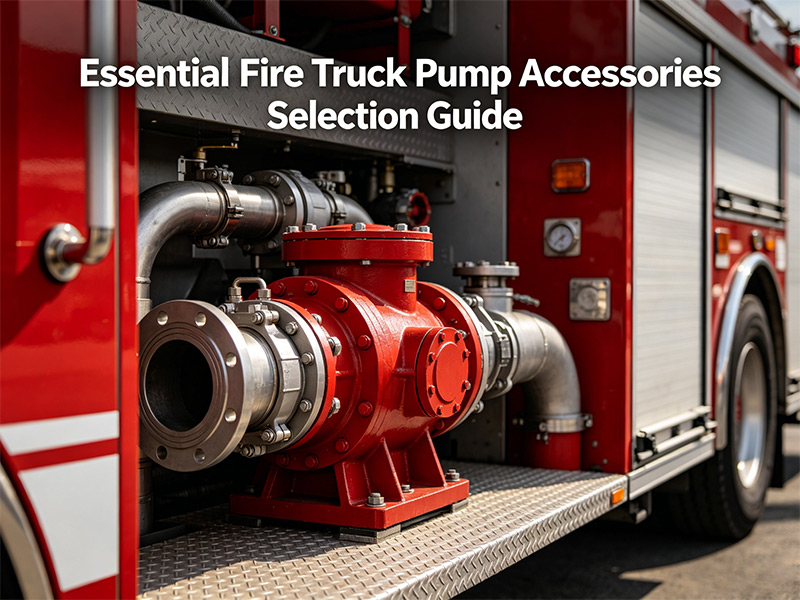
Систем пумпе ватрогасног возила је поуздан онолико колико су поуздане његове компоненте. Од извлачења воде из извора до њеног испуштања под високим притиском, сваки додатак има кључну улогу. Овај водич обухвата ватрогасно возило пет кључних категорија додатне опреме: уређаји за примарно вакуумско пуњење, куглични вентили, глобус вентили, дозатори пене и хидраулични контролни системи. Разумевање ових компоненти помаже ватрогасцима да одржавају своју опрему и изаберу одговарајуће додатке за специфичне примене. I. Серија уређаја за примарно пуњење (вакуумски уређаји за пуњење) Уређаји за примарно пуњење су неопходни за извлачење воде из језера, река или других статичких извора када хидрант није доступан. Они уклањају ваздух из пумпе и усисног црева, омогућавајући атмосферском притиску да потисне воду у пумпу. Преглед производа Производ Максимални вакуум Напон Снага Одговарајућа величина пумпе уређај за примарно пуњење са 2 клипа >85kPa 24V - Испод 100 L/s електрични уређај за примарно пуњење са 2 клипа >85kPa 24V 2.1KW Испод 100 L/s уређај за примарно пуњење са 4 клипа >85kPa 24V - Изнад 100 L/s електрични уређај за примарно пуњење са 4 клипа >85kPa 24V 2.1KW Изнад 100 L/s Кључна карактеристика: електрични уређаји за примарно пуњење Електрични уређаји за примарно пуњење нуде значајну предност — могу да напуне пумпу без окретања пумпе. Ово штити механичку заптивку од оштећења услед рада на суво. Док стандардни уређај за примарно пуњење захтева да се пумпа окреће, електрична верзија ради независно, продужавајући век трајања заптивке. II. Серија кугличних вентила (контрола протока) Куглични вентили контролишу проток воде кроз црева и излазне отворе. Дизајнирани су за брзо укључивање/искључивање једноставним окретањем од 90°. Куглични вентили од нерђајућег челика Модел Материјал Називни притисак Navoj Rad FQS65/2.5 Telo i kugla: nerđajući čelik 304; Zaptivka: PTFE 2.5 MPa G2-1/2" Ručni točak / Poluga FQS80/2.5 Telo i kugla: nerđajući čelik 304; Zaptivka: PTFE 2.5 MPa G3" Ručni točak / Poluga Kuglasti ventili od legure aluminijuma (manja težina) Model Materijal Nazivni pritisak Navoj Rad FQS65/2.5 Telo: A356.2; Kugla: 304; Zaptivka: PTFE 2.5 MPa G2.5" Ručni točak / Poluga FQS80/1.6 Telo: A356.2; Kugla: 304; Zaptivka: PTFE 1.6 MPa G3" Ručni točak / Poluga FQS65/2.5 kvadratni Telo: A356.2; Kugla: 304; Zaptivka: PTFE 2.5 MPa - Pneumatski / Poluga Ⅲ. Serija globus ventila (regulacija pritiska i protoka) Za razliku od kuglastih ventila koji su namenjeni za rad uključeno/isključeno, globus ventili omogućavaju preciznu kontrolu protoka i pritiska. Idealni su za situacije gde je potrebno postepeno podešavanje. Model Materijal Nazivni pritisak Navoj Rad DN65/2.5 Kućište: A356.2; Vreteno: H62; Zaptivka: NBR 2.5 MPa G2.5" Ručni točak DN80/2.5 Kućište: A356.2; Vreteno: H62; Zaptivka: NBR 2.5 MPa G3" Ručni točak Kada koristiti globusni ventil Koristite globusne ventile na izlaznim tačkama gde je potrebna fina kontrola pritiska, kao...
Детаљи
Као професионални сионгџен произвођач ватрогасних пумпи у Кини, Камиони Пауерстар поседује сопствену серију производа бренда „Xiongzhen“, укључујући ватрогасне пумпе ниског притиска, ватрогасне пумпе средњег и ниског притиска и ватрогасне пумпе високог и ниског притиска монтиране на возила, као и пратећу опрему као што су монитори за пожар и дозатори пене. Њене ватрогасне пумпе користе нове материјале као што су легуре алуминијума и нерђајући челик и опремљене су електромагнетним уређајем за аутоматско искључивање квачила и неповратним вентилом, што им даје одличне перформансе, једноставно руковање и практично одржавање. Производи компаније су прошли типска испитивања од стране Националног центра за надзор и инспекцију квалитета ватрогасне опреме, CCC сертификат и ISO9001 сертификат система управљања квалитетом. Противпожарне пумпе Xiongzhen углавном укључују следеће моделе: CB10/20-XZ, ЦБ10/30-XZ , CB10/40-XZ, ЦБ10/60-XZ , CB10/80-XZ, CB10/100-XZ, CB20.10/15.30-XZ, CB20.10/20.40-XZ, CB20.10/30.60-XZ, итд. ВАТРОГАСНА ПУМПА CB10/20-XZ за ватрогасна возила ВАТРОГАСНЕ ПУМПЕ CB10/30-XZ за ватрогасна возила Ватрогасне пумпе модела CB10/40-XZ за ватрогасна возила Кина Ватрогасне пумпе модела CB10-60 за ватрогасна возила Ватрогасне пумпе за хитне случајеве CB10/80-XZ за ватрогасна возила Ватрогасне пумпе CB10/100-XZ за ватрогасно возило Спецификација система ватрогасних пумпи xiongzhen CB10/100-XZ Произвођачи ватрогасних пумпи серије Xiongzhen CB Спецификације ватрогасних пумпи CB10/150 Систем противпожарних пумпи CB10/160-XZ фабрика Xiongzhen Спецификације ватрогасних пумпи за хитне случајеве CB10/170-XZ Компанија Powerstar Trucks се може похвалити снажним техничким могућностима, поседује четири патента и користи напредну производну опрему као што су CAD цртање и CNC машински алати како би се осигурала висока стопа квалификације производа и задовољство купаца. Њени производи су првенствено намењени фабрикама за модификацију ватрогасних возила и ватрогасним бригадама. Спецификација детаља и спецификације ватрогасне пумпе CB20.10 20.40 Ватрогасна пумпа CB20.10 30.60-XZ од фабрике Xiongzhen Ватрогасна пумпа серије CB20/15-XZ Ватрогасна пумпа за хитне случајеве серије CB20/20-XZ Инсталација ватрогасне пумпе CB20 25 детаља Ево распореда одржавања за ваш XIONGZHEN ватрогасне пумпе , категорисано по недељи, месецу, кварталу и години ради лакшег сналажења: 01, Дневна инспекција ватрогасне пумпе Powersar: Проверите притисак покретања и заустављања и фреквенцију пумпе за стабилизацију притиска. Проверите стартну снагу батерије ватрогасне пумпе са дизел мотором. Проверите да ли су вентили за контролу извора воде и склопови алармних вентила оштећени. 02, Powersar ватрогасна пумпа Недељна инспекција: Тестирајте аутоматски старт мотора противпожарне пумпе. Проверите ниво горива у ватрогасној пумпи дизел мотора. 03, Powersar ватрогасна пумпа Месечна инспекција: Тестирајте ручни старт мотора ватрогасна пумпа и ватрогасну пумпу са дизел мотором. Проверите ниво воде у р...
Детаљи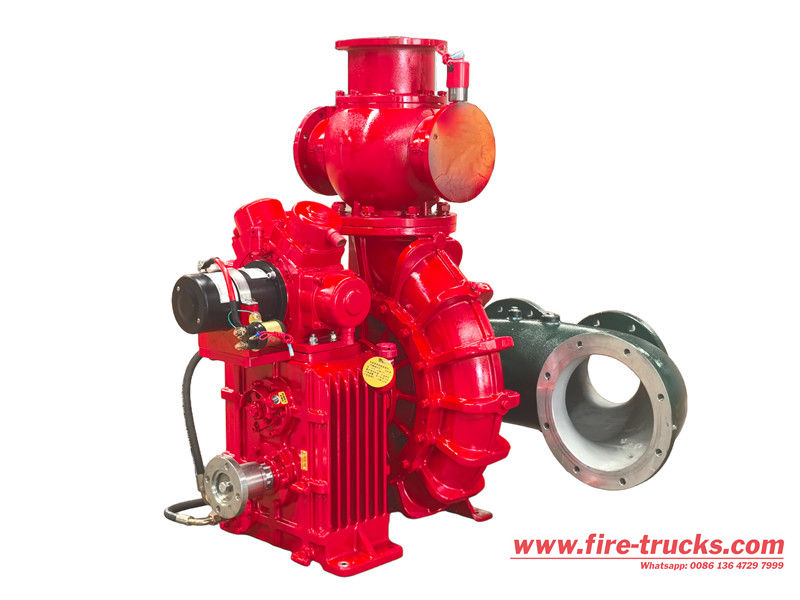
Противпожарна пумпа са пеном CB10/140 је често коришћени систем за снабдевање водом за гашење пожара, монтиран на возило или стационаран, са номиналним притиском од 1,0 MPa и номиналним протоком од 140 L/s, који задовољава основне потребе за снабдевањем водом противпожарних система. Тело пумпе и импелер су направљени од висококвалитетних, отпорних на хабање материјала, нудећи отпорност на корозију и висок притисак. Има дизајн са двоструким улазом за брзу промену извора воде и покреће га високоефикасан мотор или дизел мотор, постижући време одзива при покретању од 30 секунди или мање. Захваљујући свом компактном дизајну, лаком одржавању и поузданом раду, Пумпа за гашење пожара пеном CB10/140 је витални део опреме за обезбеђивање ефикасног снабдевања водом за ватрогасне операције. Ватрогасна пумпа ниског притиска CB10/140-XZ, монтирана на камион, има једностепену центрифугалну структуру са кућиштем од легуре алуминијума и месинганим импелером. Користи електрични систем за пуњење водом са четири клипа и електричним прекидачем. Опционална пумпа за пену CB10/20 користи пнеуматски механизам за одвајање. Овај производ нуди одличне перформансе, компактну структуру, једноставан рад и лако одржавање. Ватрогасна пумпа CB10/140-XZ је једностепена центрифугална водена пумпа која се користи у ватрогасним возилима, а карактерише је двоклипни уређај за пуњење који се аутоматски укључује и искључује. Дизајнирана је за високе перформансе са компактном структуром, једноставним руковањем и практичним одржавањем. Кључне спецификације укључују проток од 140 л/с и излазни притисак од 1,0 MPa при номиналној брзини од 2600 о/мин. » . Принцип рада пумпе за гашење пожара пеном CB10/140 ● Унос воде и концентрата пене: Вода се црпи из извора, а концентрат пене се црпи из резервоара за складиштење. ● Пропорционирање: Дозирач меша концентрат пене са водом у унапред одређеном односу. ● Притисак: Пумпа притиска смешу, повећавајући њену брзину и притисак. ● Отпуст: Раствор пене под притиском се потискује кроз црево за испуштање до млазнице, где се испушта у ватру. ● Сузбијање пожара: Пена прекрива извор горива, одвајајући га од кисеоника и гасећи пожар. » . Детаљан увод у пумпу за гашење пожара пеном CB10/140 1. Врхунски структурни дизајн, стабилне и поуздане перформансе: ● The Ватрогасна пумпа CB10/140 Има једностепени центрифугални дизајн и направљен је од легуре алуминијума високе чврстоће, нудећи предности као што су мала тежина, отпорност на корозију и отпорност на високе температуре. ● Унутрашња структура пумпе је прецизно обрађена, што обезбеђује гладак проток и одличне хидрауличне перформансе. Механичко заптивање спречава цурење и обезбеђује дугорочну радну поузданост. ● Ова ватрогасна пумпа се може похвалити снажним усисним и пражњеним капацитетом, што је чини погодном за разна средња и велика ватрогасна возила и опрему за гашење пожара у хитним случајевима. 2. Једноставно руковање и висока прилагодљивост: ♦ Пумпа за гашење пожара пеном CB10/140 може се директно повезати...
Детаљи
Molimo vas da čitate dalje, ostanite obavešteni, pretplatite se i rado ćemo čuti vaše mišljenje.

 ИПв6 мрежа подржана

 српски
 English
 français
 Deutsch
 русский
 italiano
 español
 português
 Nederlands
 العربية
 日本語
日本語 한국의
한국의 Türkçe
 Melayu
 ไทย
ไทย Tiếng Việt
 Indonesia
  中文
中文 қазақ
қазақ Filipino
 မြန်မာ